Bookmarks 2026-03-07T05:55:53.230Z
by Owen Kibel
28 min read
Bookmarks for 2026-03-07T05:55:53.230Z
-
If AI is a weapon, why don't we regulate it like one? Added: Mar 6, 2026
If AI is a weapon, why don't we regulate it like one?
Thoughts on the fight between Anthropic and the Department of War.

-
Site: X (formerly Twitter)

-
Sean "Goodwood" Nash 🐸🥓👌 on X: "@Handrev Every time I hear the phrase "democratic socialism," I think of this cartoon. https://t.co/aten9W5h9j" / X Added: Mar 6, 2026
Site: X (formerly Twitter)
-
Site: X (formerly Twitter)
-
Site: X (formerly Twitter)
-
Site: X (formerly Twitter)
-
Site: X (formerly Twitter)
-
Site: X (formerly Twitter)
-
Site: X (formerly Twitter)
-
Site: X (formerly Twitter)
-
Site: X (formerly Twitter)
-
 I asked Gemini, Claude, and ChatGPT to create a website, and there was one obvious winner
Added: Mar 6, 2026
I asked Gemini, Claude, and ChatGPT to create a website, and there was one obvious winner
Added: Mar 6, 2026I asked Gemini, Claude, and ChatGPT to create a website, and there was one obvious winner
Site: XDA
And the award for the best UX design goes to...

-
Scientists Found We're Hardwired To Enjoy Crystals | YourTango Added: Mar 6, 2026
Scientists Tried To Disprove The Power Of This ‘Ridiculous’ Hobby & Instead Found We’re Probably Hardwired To Enjoy It
Site: YourTango
A new scientific study found that chimpanzees are drawn to crystals, suggesting "woo" hobbies may be hardwired into us.
Crystal girlies, we are vindicated! (Maybe.) A new scientific study has found that chimpanzees are basically "woo woo" spiritual girlies who are super into crystals, suggesting we're probably hard-wired to like them too. Yep, you read that right: Chimps are crunchy, spirituality-obsessed devotees of the local crystal store who spend all their time scrolling "witchtok," or they would be if they went shopping and had phones, at least. Okay, I'm hyperbolizing a bit due to (full disclosure) my own bias towards open-mindedness when it comes to all things "woo." But while the research doesn't exactly prove that crystals do actually harbor spiritual power, it doesn't exactly NOT prove it either. One thing that is for sure, though? Chimpanzees do NOT play around about crystals! A study found that chimpanzees are obsessed with crystals. Crystals and stones have long been a part of so-called "New Age" or "woo" spirituality, and it's often the part of it that is most readily eyerolled by those who are less spiritually inclined. A rock? With spiritual powers? Come on. What underpins this part of spirituality? Devotees say it's all part of the physics concept , which states that the molecules of everything in the universe vibrate at certain frequencies. Crystals, spiritual types believe, have frequencies that can facilitate healing, clarity, and spiritual enlightenment. You can probably guess what the scientific community has to say about this, and it's similar to what it has to say about pretty much all spiritual concepts: Yeah, right! That sentiment seems to have been part of the motivation behind a fascinating new study from Spain led by Dr. Juan Manuel García-Ruiz, a crystallographer at Donostia International Physics Center in San Sebastian, which sought to understand why so many of us humans are so drawn to crystals, and have been for as long as we've existed. “Some colleagues say, ‘We have to tell people that this is completely ridiculous,’” Dr. García-Ruiz told The New York Times . “But for me, what’s important is to tell people why [people believe in them]." And chimpanzees may just have provided the answer. RELATED: 6 Crystals To Carry With You To Attract Money And Success When scientists gave chimps crystals, they cherished them and refused to give them back. Solarselle77 | pixabay | Canva Pro Dr. García-Ruiz and his colleagues conducted two experiments; the first placed a regular piece of sandstone and a foot-tall multifaceted quartz crystal on a platform in the midst of their habitat at a chimp rescue in Madrid. The researchers cleverly named this experiment "The Monolith" after the mysterious reality-shifting monolith in "2001: A Space Odyssey." The chimps couldn't have cared less about the sandstone, but they went, well, ape for the crystal, visiting it regularly until the alpha female at the rescue finally wrenched it off its pedestal. From then on, the chimps never let the crystal out of their possession, even carrying it with them as they climbed trees. Another group of chimps took the crystal and essentially hoarded it in their sleeping quarters, where humans can't go. In order to continue the experiment, the scientists had to undergo extensive negotiations, bartering huge amounts of bananas and yogurt to persuade the chimps to give the crystal back. Several other crystals were never retrieved at all. These chimps were not monkeying around with these crystals! RELATED: People Who Still Have This Old-Fashioned Hobby Are Way Better At Dealing With Whatever Life Throws At Them The chimps were also immediately able to differentiate tiny crystals from other pebbles. Carla_Manneh | pixabay | Canva Pro In a second experiment, Dr. García-Ruiz and his researchers placed piles of pebbles in the chimps' gardens, into which they mixed a few small crystals. The chimps not only immediately sorted all the crystals out from the pebbles, but they also began intently examining them, holding them up to the lights to see how they sparkle and shine. And they became just as possessive of them as they had of "The Monolith." They slept with them, carried them in their mouths, and squirrelled several of them away so well that the scientists have never found most of them. So what's going on here? The scientists have proposed, based on their observations and data, that the chimps were attracted to the transparency and shape of the crystals. But Dr. García-Ruiz noted that the chimps also seemed to be experiencing “something beyond curiosity." Humans have used crystals for tens of thousands of years. Can Dr. García-Ruiz's chimps shed light on why the "crystal girlies" and woo-woo practitioners among us are so into crystals? Other scientists who spoke to The Times said the study doesn't prove there's anything more to it than the chimps simply thinking they're pretty. For his part, Dr. García-Ruiz seems to think there is more to it, however. He told the Times he theorizes that, as “the only Euclidean object in nature,” he believes crystals may have aided humans in learning abstract thought and developing geometry. Perhaps the chimps are having similar enlightenments via their cherished quartzes! pixelshot | Canva Pro Whatever the case, humans' draw to crystals is more than a passing spiritual fad. Archaeological digs have found quartz and other crystals at prehistoric sites that suggest humans and our evolutionary ancestors have been gathering crystals for as much as 700,000 years. And now, they weren't using them for tools or decor. Scientists have yet to find any evidence that they used crystals for anything useful at all. Dr. García-Ruiz agrees that more research is needed to get to the bottom of this question. But if you're even a little bit of the "woo" persuasion (me, I'm talking about me), it's hard not to consider how much more sensitive animals' instincts are and hence suspect that these chimps are actually little spiritual gurus who are going to start practicing crystal-healing Reiki on each other or something. As a non-scientist with no requirement to be skeptical, this is the conclusion I choose to draw, and I look forward to following our chimpanzee overlords on the path to spiritual enlightenment. See you at the crystal shop! RELATED: Women Who Love Lying Around The House Doing Nothing Protect Their Home In A Very Important Way, According To Feng Shui John Sundholm is a writer, editor, and video personality with 20 years of experience in media and entertainment. He covers culture, mental health, and human interest topics.

-
 Esquire Media Bias | AllSides
Added: Mar 6, 2026
Esquire Media Bias | AllSides
Added: Mar 6, 2026Esquire
Esquire is a men's magazine, published in the U.S. by the Hearst Corporation. Founded in 1932, it flourished during the Great Depression under the guidance of founders Arnold Gingrich, David A. Smart...

-
‘The Science Guy’ and Facts - WSJ Added: Mar 6, 2026
-
Noem's answer on 'sexual relations' with Lewandowski was 'final straw' for Trump, sources say Added: Mar 6, 2026
Exclusive | Noem’s answer on ‘sexual relations’ with Lewandowski was ‘final straw’ for Trump, sources say
Site: New York Post
Trump had been nearing a boiling point in his frustration with Noem and already was considering ousting her after she claimed to senators Tuesday that he approved $220 million in ads starring herse…

-
 X is testing a new ad format that connects posts with products | TechCrunch
Added: Mar 6, 2026
X is testing a new ad format that connects posts with products | TechCrunch
Added: Mar 6, 2026X is testing a new ad format that connects posts with products | TechCrunch
Site: TechCrunch
An ad test on X promotes Musk's Starlink beneath original content.

-
The Atlantic Media Bias | AllSides
Added: Mar 6, 2026
The Atlantic
See issues and political news with news bias revealed. Non-partisan, crowd-sourced technology shows all sides so you can decide.
-
New York Times - Opinion Media Bias | AllSides
Added: Mar 6, 2026
New York Times (Opinion)
Important Note: AllSides provides a separate media bias rating for the The New York Times news pages.
-
The New Yorker Media Bias | AllSides
Added: Mar 6, 2026
The New Yorker
See issues and political news with news bias revealed. Non-partisan, crowd-sourced technology shows all sides so you can decide.
-
ABC News Media Bias | AllSides
Added: Mar 6, 2026
ABC News (Online)
See issues and political news with news bias revealed. Non-partisan, crowd-sourced technology shows all sides so you can decide.
-
NBC News Media Bias | AllSides
Added: Mar 6, 2026
NBC News Digital
See issues and political news with news bias revealed. Non-partisan, crowd-sourced technology shows all sides so you can decide.
-
CBS News Media Bias | AllSides
Added: Mar 6, 2026
CBS News (Online)
See issues and political news with news bias revealed. Non-partisan, crowd-sourced technology shows all sides so you can decide.
-
PBS NewsHour Media Bias | AllSides
Added: Mar 6, 2026
PBS NewsHour
See issues and political news with news bias revealed. Non-partisan, crowd-sourced technology shows all sides so you can decide.
-
NPR News Media Bias | AllSides
Added: Mar 6, 2026
NPR (Online News)
See issues and political news with news bias revealed. Non-partisan, crowd-sourced technology shows all sides so you can decide.
-
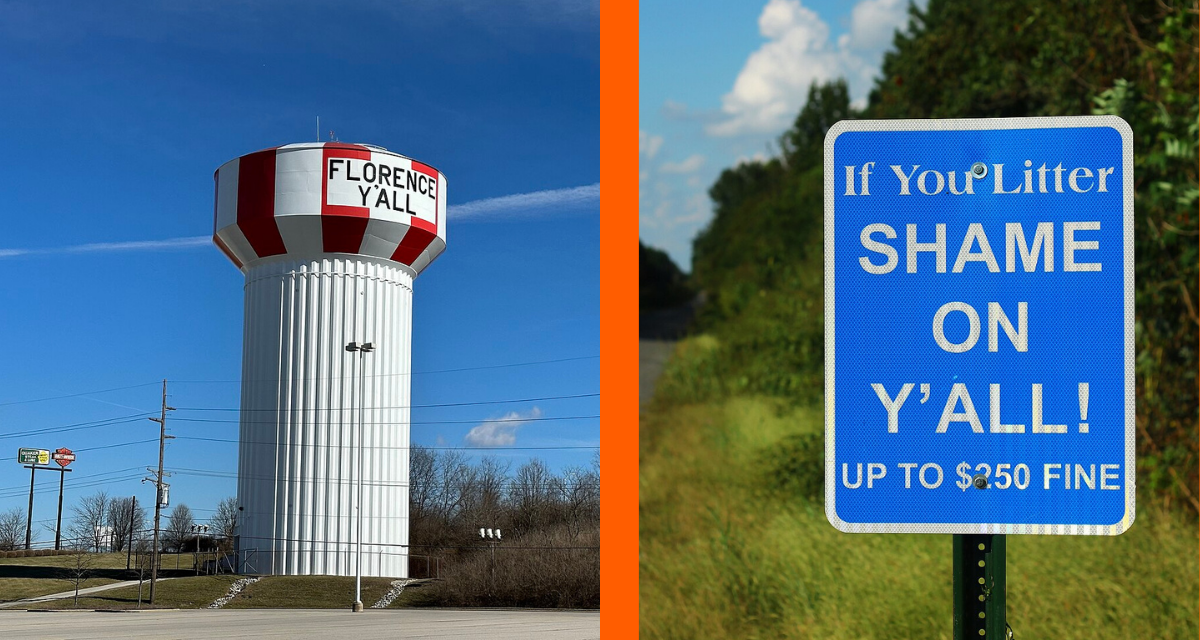
 The surprising origin story of the Southern word 'y'all'
Added: Mar 6, 2026
The surprising origin story of the Southern word 'y'all'
Added: Mar 6, 2026A linguist from Alabama explains the surprising origin story of the Southern word 'y'all'
Site: Upworthy
It's spreading to every corner of America.
-
 Politico founder plots new Washington newspaper war | Semafor
Added: Mar 6, 2026
Politico founder plots new Washington newspaper war | Semafor
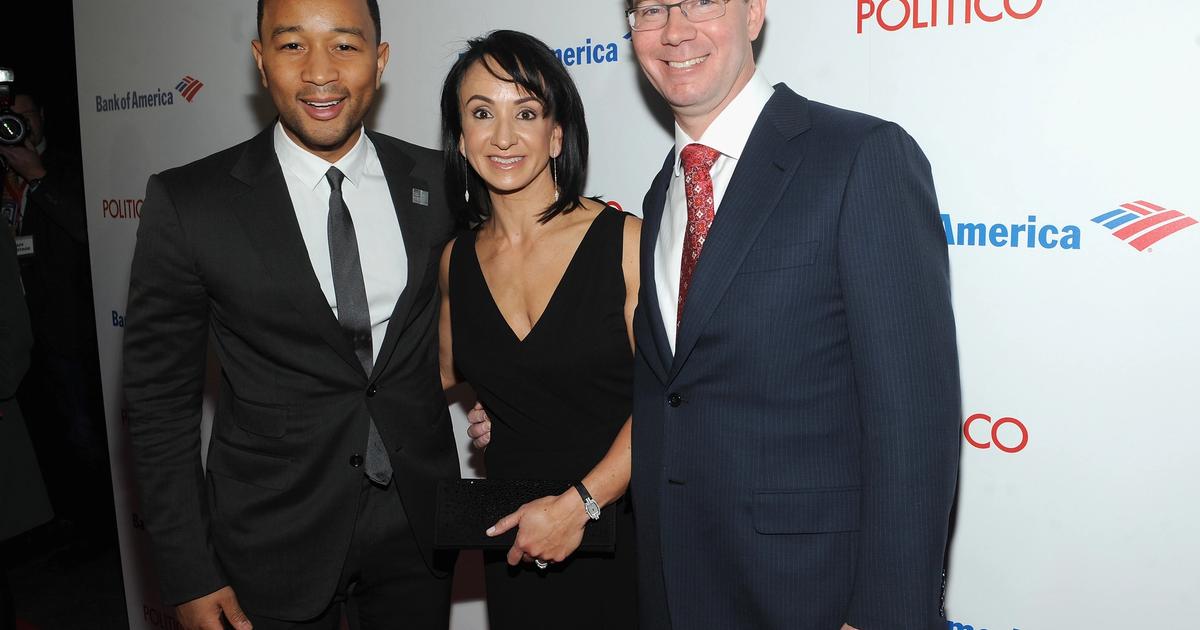
Added: Mar 6, 2026Exclusive: Politico founder plots new Washington newspaper war
A damaged Washington Post could face a big new challenger.
-
The Telegraph finds new home with Politico parent Axel Springer Added: Mar 6, 2026
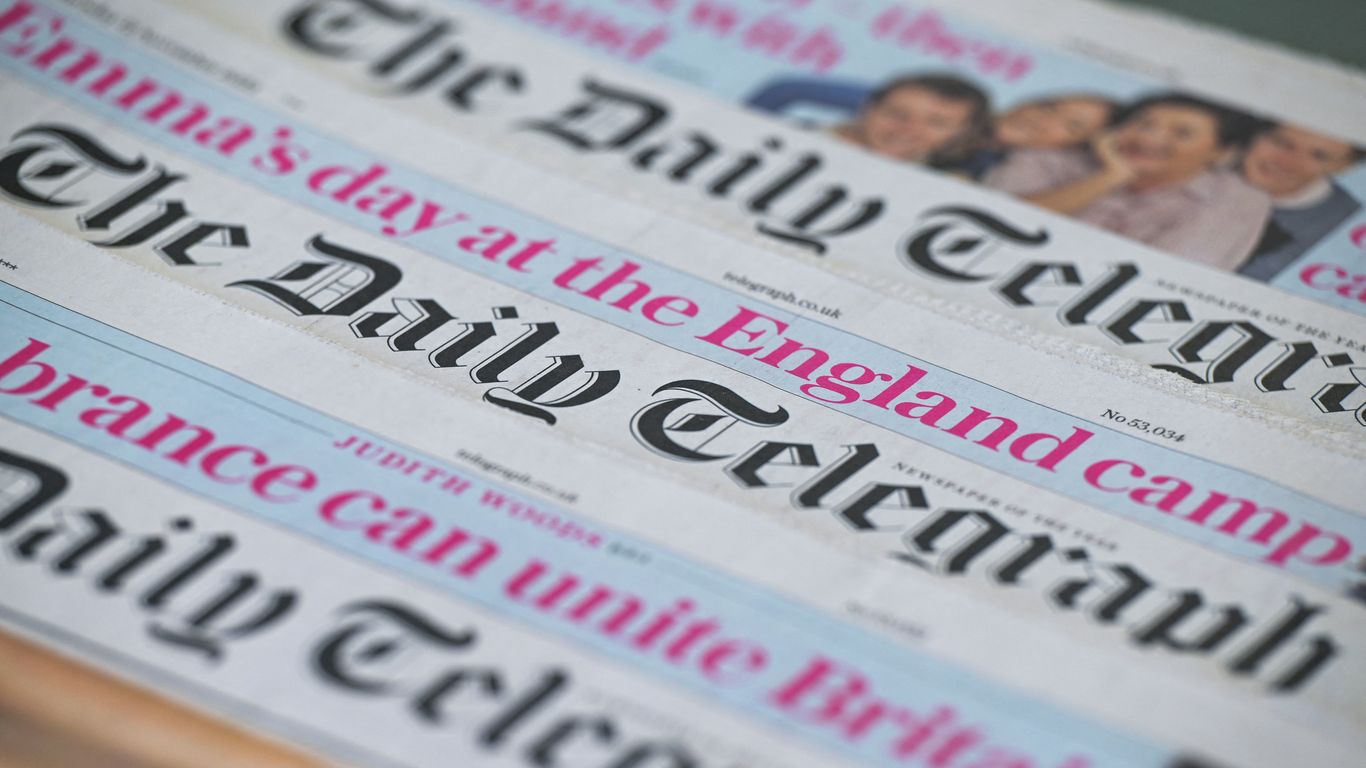
Axel Springer acquires the Telegraph
Site: Axios
The deal scuttles a proposed offer for the conservative British paper from Daily Mail and General Trust, which is owned by British billionaire Lord Rothermere.
-
 New psychology research reveals that wisdom acts as a moral compass for creative thinking
Added: Mar 6, 2026
New psychology research reveals that wisdom acts as a moral compass for creative thinking
Added: Mar 6, 2026New psychology research reveals that wisdom acts as a moral compass for creative thinking
Site: PsyPost - Psychology News
New research published in Intelligence provides evidence that wisdom guides our creative abilities toward benefiting others. The findings suggest that while creativity is powerful, it requires the moral grounding of wisdom to produce prosocial outcomes.
A recent study published in the journal <em><a href="https://doi.org/10.1016/j.intell.2025.101971" target="_blank" rel="noopener">Intelligence</a></em> has found that wisdom plays a key role in ensuring people use their creativity for the benefit of others. The findings suggest that while creativity can be a powerful tool, it requires the moral guidance of wisdom to be directed toward socially constructive goals rather than selfish ones.
"A recurring concern in psychology is that intelligence and creativity are 'morally neutral': they can be used to help others, but they can also be used manipulatively or destructively. Many theories propose that wisdom functions as a moral regulator that helps channel cognitive strengths toward prosocial ends, but empirical evidence for this moderating role has been limited," said study author <a href="https://scholar.google.com/citations?user=-3l9QhAAAAAJ&hl=en&oi=ao" target="_blank" rel="noopener">Yuling Wang</a>, a PhD candidate at <a href="http://scholar.pku.edu.cn/ling" target="_blank" rel="noopener">Peking University</a> and member of the <a href="https://www.semelab.com.cn/" target="_blank" rel="noopener">Self Exploration and Meaningful Existence Lab</a>.
"We also noticed a methodological issue: intelligence/creativity are often assessed with natural science–oriented measures, while wisdom is assessed with more humanistic, value-laden measures, creating a domain mismatch that may obscure how these constructs work together in real life."
"Beyond this theoretical and methodological gap, we were also motivated by a broader real-world concern that feels increasingly salient in the AI era: human thinking can become more 'computationalized' — more procedural, efficiency-driven, and emotionally blunted — while people simultaneously crave genuine human understanding and care. From this perspective, wisdom may be a key capacity that keeps people psychologically 'alive' and helps ensure our abilities are ultimately used in service of the common good."
To explore this dynamic, the researchers conducted two separate studies. In the first study, they recruited 132 participants to complete a series of performance-based tasks online to measure state-level wise thinking. The researchers achieved this by having participants read about difficult interpersonal dilemmas, such as a conflict between a graduating student and their parents over travel plans.
Participants wrote detailed accounts of how they would handle the situations. They then answered questions about their typical responses to such conflicts. This allowed the scientists to group the participants into high and low wise thinking categories.
Next, the scientists assessed social intelligence by asking participants how they would respond to everyday problems. These problems included consumer rights issues and family disagreements. The researchers also measured real-life creativity by asking participants to recall and write about a personal experience where they had to think outside the box. Independent evaluators scored these personal stories for creativity based on factors like unique perspectives and practical applicability.
Finally, the researchers measured prosocial behavior, which is the intent to help others. They did this by asking participants how willing they would be to share a limited oxygen supply with a stranger in a hypothetical submarine emergency.
The data provided evidence that wisdom acts as a protective buffer. Among participants who scored low in wise thinking, higher creativity actually predicted a lower willingness to help the stranger in the submarine scenario. For these individuals, a lack of wisdom seemed to allow their creative thinking to become self-serving or disconnected from moral action.
This negative trend disappeared among participants who demonstrated high levels of wise thinking. Their creativity did not lead to a decrease in helping behavior. This suggests wisdom prevents creative potential from being used in ethically problematic ways.
To build on these findings, the scientists conducted a second study with a much larger sample of 801 online participants. This time, they used self-report questionnaires to measure stable personality traits rather than responses to specific scenarios. The participants completed assessments of their integrative wisdom, which involves a balance of sharp thinking skills and moral virtues like fairness and benevolence.
The participants also completed surveys measuring their social intelligence, such as their ability to read body language and adapt to social situations. They answered questions about their general creativity, including traits like curiosity, imagination, and a willingness to take risks.
To measure prosocial tendencies, the researchers assessed social mindfulness. Social mindfulness refers to a person's ability to be considerate of others in everyday moments. This includes respecting different opinions or letting someone else choose first in a shared situation.
The findings from the second study showed that among people categorized with high levels of trait wisdom, creativity positively predicted social mindfulness. For these wise individuals, being more creative meant they were also more considerate and socially inclusive. In groups with medium or low wisdom, this positive link between creativity and social mindfulness did not exist.
"The effects are not 'huge,' but they are meaningful in context because they speak to when creativity becomes socially constructive versus potentially ethically problematic," Wang told PsyPost. "For example, in Study 1 (a constrained moral crisis vignette), creativity predicted lower willingness to help only among people lower in wise thinking; in Study 2 (everyday interpersonal consideration), creativity predicted higher prosocial orientation only among people high in trait wisdom."
"Practically, this suggests that developing creativity alone may not reliably promote prosocial outcomes—wisdom-related capacities (e.g., balancing interests, recognizing uncertainty, benevolence) may be key to ensuring creative strengths translate into social good."
The scientists also used network analysis to visualize how these traits connect. They found that highly wise individuals possessed a cohesive psychological structure where virtues like temperance were tightly linked to positive open-mindedness. People with low wisdom displayed a highly fragmented network, meaning their cognitive skills and moral virtues operated independently of one another.
"Our main takeaway is that wisdom seems to matter most for how people use their creativity," Wang said. "Across two studies, wisdom consistently shaped the link between creativity and prosocial outcomes: higher wisdom was associated with a more socially constructive expression of creativity, while lower wisdom was associated with a higher risk that creativity could be misdirected in morally challenging situations."
Across both studies, the researchers did not find evidence that wisdom similarly guided the use of intelligence. Intelligence tends to be a structured capacity focused on efficiency and accuracy. The scientists suggest that creativity is a more open-ended and value-sensitive process, making it much more responsive to the moral guidance that wisdom provides.
"We expected intelligence—especially social intelligence—to show a similar 'wisdom-guided' pattern, but that did not emerge robustly, which pushed us to think harder about which abilities are most morally malleable and when moral orientation becomes central," Wang said.
As with all research, there are some limitations. The assessments of helping behavior relied on hypothetical scenarios and self-reported surveys rather than real-world observations. It is possible that people might act differently when facing an actual physical emergency or a direct interpersonal conflict.
The researchers noted that their studies focused exclusively on the humanistic domain, which involves social and ethical reasoning. Future research could explore whether wisdom plays a similar role in the natural sciences. For instance, scientists could investigate if wisdom guides the ethical development of new technologies or artificial intelligence systems.
Additionally, the studies relied on data from a single cultural context. Researchers could investigate how these traits interact across different cultures. This would help determine if the regulatory function of wisdom holds true globally.
Beyond these methodological limits, the researchers emphasized that their results should not be taken to mean that intelligence plays no role in moral situations.
"'No consistent evidence for intelligence' does not mean intelligence is irrelevant for prosociality; rather, it suggests that wisdom’s guiding role may be easier to observe for capacities like creativity that inherently involve meaning-making and value-laden interpretation, whereas some forms of intelligence may operate more instrumentally unless moral salience is explicitly engaged," Wang explained.
"In the near term, our next steps will depend on available time and funding. Looking ahead, once we have the resources to extend this line of work, we would like to (a) test these ideas with behavioral outcomes and longitudinal/experimental designs (e.g., wisdom-building interventions), (b) examine whether different forms of intelligence (e.g., moral reasoning, ethical decision-making competence) are more “wisdom-regulatable” than the measures we used here, and (c) directly compare domain alignment (humanistic vs. natural-scientific assessments) to see when the coordination among wisdom, intelligence, and creativity becomes strongest and most predictive of real-world prosocial action."
"One broader message is measurement-related: we think it’s important to align constructs within the same evaluative domain," Wang added. "When wisdom is treated as a humanistic, value-sensitive capacity, it may be most informative to pair it with similarly humanistic assessments of intelligence/creativity—especially when the outcome concerns ethical or prosocial behavior."
The study, "<a href="https://doi.org/10.1016/j.intell.2025.101971" target="_blank" rel="noopener">Can wisdom guide intelligence and creativity toward prosocial ends? Evidence from humanistic, domain-aligned assessments</a>," was authored by Jingmin Zhang, Yuling Wang, and Liuqing Tian.
-
 Scientists Thought They Knew Everything About Venus' Winds, But It Turns Out They’re Hiding Something Huge
Added: Mar 7, 2026
Scientists Thought They Knew Everything About Venus' Winds, But It Turns Out They’re Hiding Something Huge
Added: Mar 7, 2026Scientists Thought They Knew Everything About Venus' Winds, But It Turns Out They’re Hiding Something Huge
Site: The Daily Galaxy - Great Discoveries Channel
What scientists have uncovered about Venus could change the entire way we view the planet, but the full extent of this discovery is still unfolding.

-
Venus' Alpha Regio - NASA's DAVINCI Mission - YouTube Added: Mar 7, 2026
Venus' Alpha Regio - NASA's DAVINCI Mission
Site: YouTube
Scheduled to launch in the early 2030s, NASA's DAVINCI mission will explore Venus with both a spacecraft and a descent probe. DAVINCI’s probe will be the fir...

-
Claude Is ALIVE, Company WARNS AI Model May Be CONSCIOUS, ITS OVER
Site: YouTube
SUPPORT THE SHOW BUY CAST BREW COFFEE NOW - https://castbrew.com/Join - / @timcastirl Hosts: Tim @Timcast (everywhere)Phil @PhilThatRemains (X) | https:/...

-
President Trump Delivers Remarks to the Shield of Americas Summit
Site: YouTube
Miami, FL

-
THEY’RE GONNA LOSE
Site: YouTube
SUPPORT THE SHOW BUY CAST BREW COFFEE NOW - https://castbrew.com/Join - / @timcastirl Hosts: Tim @Timcast (everywhere)Phil @PhilThatRemains (X) | https:/...

-
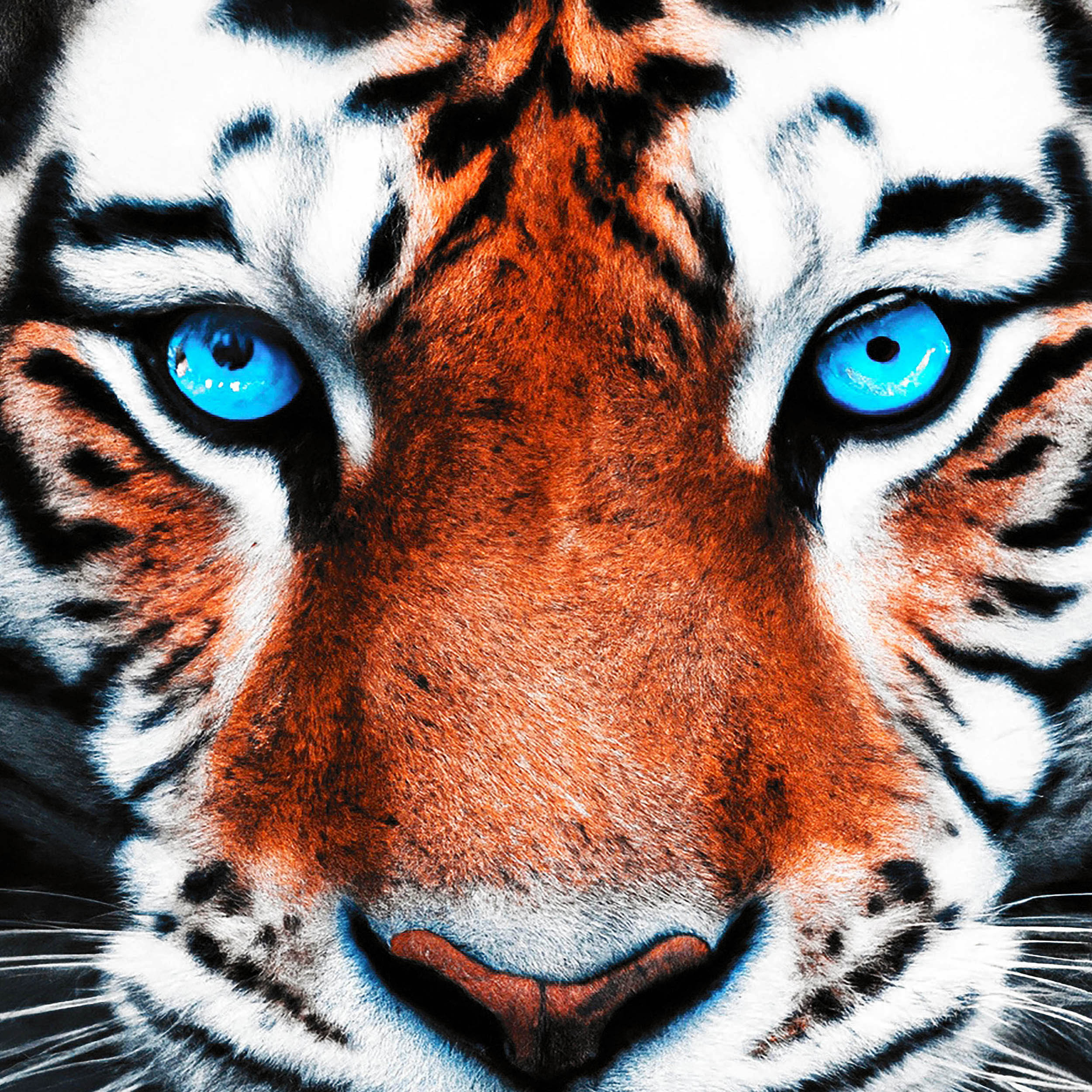
Camera shows humans a new world by replicating animal vision - Earth.com Added: Mar 7, 2026
High-tech camera replicates animal vision, showing humans a world of colors they've never seen
Site: Earth.com
High-tech camera system makes it possible for humans to see colors in the way animals do, adding vivid new perspective to the natural world.
-
Noem says Trump will announce 'big agreement' at Saturday summit with world leaders | Fox News Added: Mar 7, 2026
Noem says Trump will announce 'big agreement' at Saturday summit with world leaders | Fox News
After her DHS ouster, Trump tapped Kristi Noem as Special Envoy for the new "Shield of the Americas" coalition meeting Saturday at his Florida resort in Doral.
-
China Exploiting US Birthright Citizenship
Site: YouTube
Peter Schweizer, author of “The Invisible Coup”, joins Miranda Devine to sound the alarm over China’s use of birthright citizenship to create thousands of Am...

-
Peter Schweizer on China’s Stealth US Takeover Through Mass Migration
Site: YouTube
Investigative journalist Peter Schweizer speaks to Miranda Devine about China's weaponization of birthright citizenship that will deliver one million Chines...

-
Kalshi sued over $54M Iran leader bets after ‘death carveout’ | Fox Business Added: Mar 7, 2026
Kalshi sued over $54M Iran leader bets after ‘death carveout’ | Fox Business
Kalshi is facing a $54 million class action lawsuit after traders accused the prediction market of invoking a "death carveout" clause to avoid paying bets tied to the killing of Iran’s supreme leader, according to reporting from Reuters. Kalshi was sued in federal court Thursday over contracts that asked whether Ayatollah Ali Khamenei would leave office before March 1, 2026, according to a class action complaint. Khamenei, 85, was killed Saturday in U.S.-Israeli strikes that left hundreds dead, including top Iranian officials. The strikes occurred under Operation Epic Fury. The lawsuit says customers were drawn to what it calls the "Khamenei Market" because of the shifting geopolitical situation with Iran’s leadership. It alleges that, after Khamenei was killed, Kalshi invoked a "death carveout" provision to avoid paying customers what they were owed. JUDGE BLOCKS META FROM INTRODUCING 'EXAGGERATED' CLAIMS IN SOCIAL MEDIA TRIAL "With an American naval armada amassed on Iran’s doorstep and military conflict not merely foreseeable but widely anticipated, consumers understood that the most likely — and in many cases the only realistic — mechanism by which an 85-year-old autocratic leader would ‘leave office’ was through his death," the lawsuit states. "Defendants understood this as well." The complaint argues the contract language was "clear, unambiguous and binary" and accuses Kalshi of "deceptive" and "predatory" conduct. APPLE IMPLEMENTING AGE VERIFICATION TOOL TO ENSURE USERS ARE 18 AND UP FOR SOME APPS The lawsuit was filed in the U.S. District Court for the Central District of California. The company’s CEO, Tarek Mansour, on Saturday defended the "death carveout," saying it "keeps the rules simple." He also said Kalshi would reimburse all fees from the Khamenei market. Prediction markets have exploded in popularity since the 2024 U.S. election, when their real-time probabilities proved more accurate than polling in forecasting Donald Trump’s victory, according to Reuters. Platforms like Kalshi offer tradable yes-or-no contracts tied to real-world events ranging from politics and sports to the economy. Contracts typically cost between zero and 100 cents and pay out if a specified outcome is confirmed.GET FOX BUSINESS ON THE GOKalshi did not immediately respond to FOX Business' request for comment.Reuters contributed to this reporting.

-
The Linux ls command has 6 "hidden" abilities you need to know about
Added: Mar 7, 2026
The Linux ls command has 6 "hidden" abilities you need to know about
Site: How-To Geek
There's more to ls than just seeing a list of files and folders.

-
 Workers who love ‘synergizing paradigms’ might be bad at their jobs | Hacker News
Added: Mar 7, 2026
Workers who love ‘synergizing paradigms’ might be bad at their jobs | Hacker News
Added: Mar 7, 2026Workers who love ‘synergizing paradigms’ might be bad at their jobs | Hacker News
-
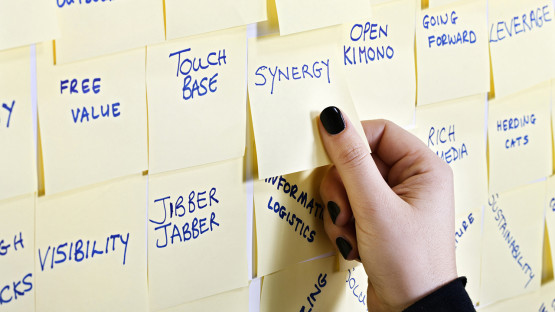
Workers who love ‘synergizing paradigms’ might be bad at their jobs | Cornell Chronicle
Site: Cornell Chronicle
Employees who are impressed by vague corporate-speak like “synergistic leadership,” or “growth-hacking paradigms” may struggle with practical decision-making, a new Cornell study into “corporate BS” reveals.
-
Site: X (formerly Twitter)
-
Site: X (formerly Twitter)
-
Site: X (formerly Twitter)
-
Site: X (formerly Twitter)
-
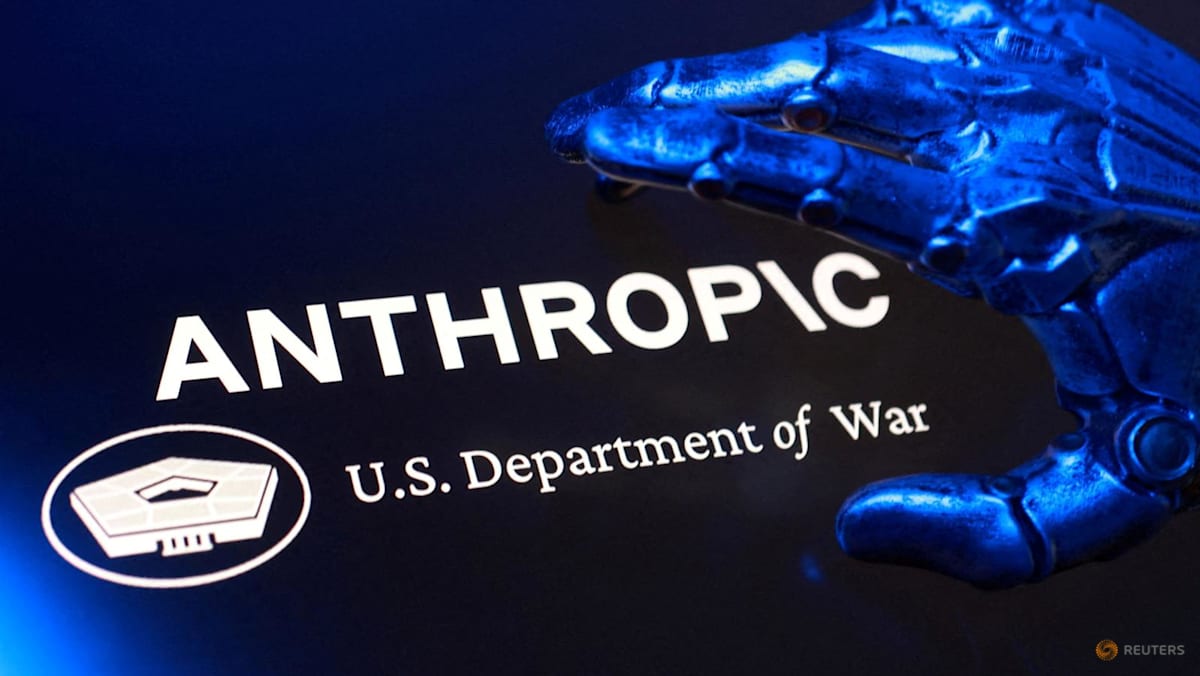
US military's reported use of Claude raises questions about AI in warfare - CNA Added: Mar 7, 2026
US military's reported use of Claude raises questions about AI in warfare
Site: CNA
AI is quickly becoming a mainstay of modern warfare, prompting pushback from some tech companies and sparking fresh debate about the ethics of military partnerships.
-
Site: X (formerly Twitter)
-
Exclusive: Trump demands immediate pardon for Netanyahu to focus on Iran
Site: Axios
"I want him to focus on the war and not on the f*cking court case," Trump told Axios.

-
Trump bets his legacy on high-risk second term
Site: Axios
Early polling on the Iran war suggests there may be little or no reward to be had.