Bookmarks 2026-02-25T22:51:25.363Z
by Owen Kibel
35 min read
Bookmarks for 2026-02-25T22:51:25.363Z
-
Site: X (formerly Twitter)

-
Our language analysis of Donald Trump’s state-of-the-union address Added: Feb 25, 2026
**Our language analysis of Donald Trump’s state-of-the-union address **
Site: The Economist
His record-breaking speech was light on policy and heavy on theatre

-
Site: X (formerly Twitter)
-
Site: X (formerly Twitter)
-
Gad Saad on X: "In Suicidal Empathy I argue that socialism is the greatest parasitic Ponzi scheme ever devised." / X Added: Feb 25, 2026
Site: X (formerly Twitter)
-
Site: X (formerly Twitter)
-
Site: X (formerly Twitter)
-
How Net Zero Destroyed Britain - YouTube Added: Feb 25, 2026
How Net Zero Destroyed Britain
Site: YouTube
How Net Zero Destroyed Britain - A compilation of clips from various interviews and TV appearances discussing the realities of Net-Zero.Join our exclusive TR...

-
Swing Voter’s Reaction Proves That Trump’s Trap for Dems Worked
Site: YouTube
Dave Rubin of "The Rubin Report" shares a DM clip of Scott Jennings talking to swing voters about Democrats deciding not to support the idea that American ci...

-
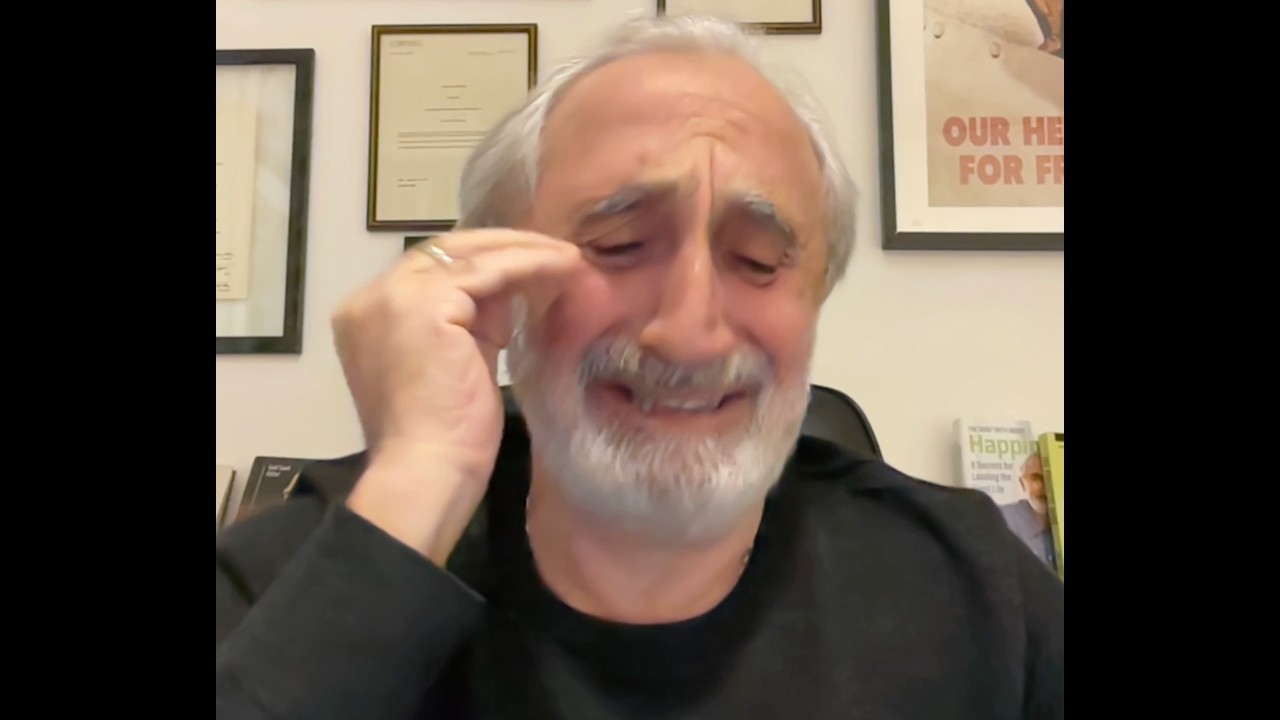
Robert de Niro and I Are Crying Because We Are So Afraid of Donald Trump (THE SAAD TRUTH_1996)
Site: YouTube
My website: https://www.gadsaad.comTo subscribe to my exclusive content on X, please visit my bio at https://x.com/GadSaadIf you appreciate my work and would...
-
Yonatan Green, "Rogue Justice: The Rise of Judicial Supremacy in Israel" (THE SAAD TRUTH_1997)
Site: YouTube
We discuss unique features of Israel's judiciary system and contrast it to its American counterpart. Apparently, Israelis do criticize specific aspects of I...

-
More Analogies for Piers Morgan - "Let There Be Light"! (THE SAAD TRUTH_1998)
Site: YouTube
My website: https://www.gadsaad.comTo subscribe to my exclusive content on X, please visit my bio at https://x.com/GadSaadIf you appreciate my work and would...

-
Victor Davis Hanson: Cancer Test UPDATE, Jesse Jackson’s Checkered Past
Site: YouTube
Where did Jesse Jackson fall along the radical racial spectrum, and what did he not do that Obama did, are some of the questions Victor Davis Hanson answers ...

-
Trump Calls Out "Pirates" and Celebrates Heroes at SOTU, and Robert De Niro Literally Cries, w/ RCP
Site: YouTube
Megyn Kelly discusses President Trump’s historic State of the Union address, his smart trap for Democrats about whether their duty is to Americans over illeg...

-
Debate: Have aliens already visited Earth?
Site: YouTube
🔗 Click the following link to learn more about Philip Morris International’s progress: https://bit.ly/4qEi16d📰 Subscribe to UnHerd today at: https://bit.ly...

-
Peter Navarro Exposes The Biggest Liar in Big Tech & The Politicians Bought By China
Site: YouTube
White House tariff tsar Peter Navarro reveals Trump's backup plan for tariffs nixed by the Supreme Court, and blasts Apple’s Tim Cook for dodging tariffs and...

-
AI is changing the World Of Theoretical Physics, Fast.
Site: YouTube
👉 Grab your free seat to the 2-Day AI Mastermind: https://link.outskill.com/SABINEHOSFEB4🔐 100% Discount for the first 1000 people💥 Dive deep into AI and ...

-
Rogue Justice: The Rise of Judicial Supremacy in Israel: Green, Yonatan: 9781680533132: Amazon.com: Books Added: Feb 25, 2026
Amazon.com
-
Gemini on Android now automates multi-step tasks in select apps - Google Search Added: Feb 25, 2026
Google Search
-
Site: X (formerly Twitter)
-
I Watched an AI Drive a Real Car Through San Francisco Using Arrow Keys
Site: YouTube
A small lab just shipped something that might be the most important AI agent demo I've seen this year. Standard Intelligence built FDM-1 — a computer use mod...

-
Abigail Spanberger gave Democrats’ response to Trump. But she didn’t have the stage to herself. - POLITICO Added: Feb 25, 2026
Abigail Spanberger gave Democrats’ response to Trump. But she didn’t have the stage to herself.
Site: POLITICO
Democratic groups staging counterprogramming events offered a snapshot of a party divided over how best to approach the midterms.

-
The GREATEST ORGAN PIECE EVER WRITTEN...fills me with Dread!
Site: YouTube
You can support my work here: https://www.paypal.com/donate/?hosted_button_id=BXVFTEXGXUFT6Thank you!

-
Site: X (formerly Twitter)
-
Site: X (formerly Twitter)
-
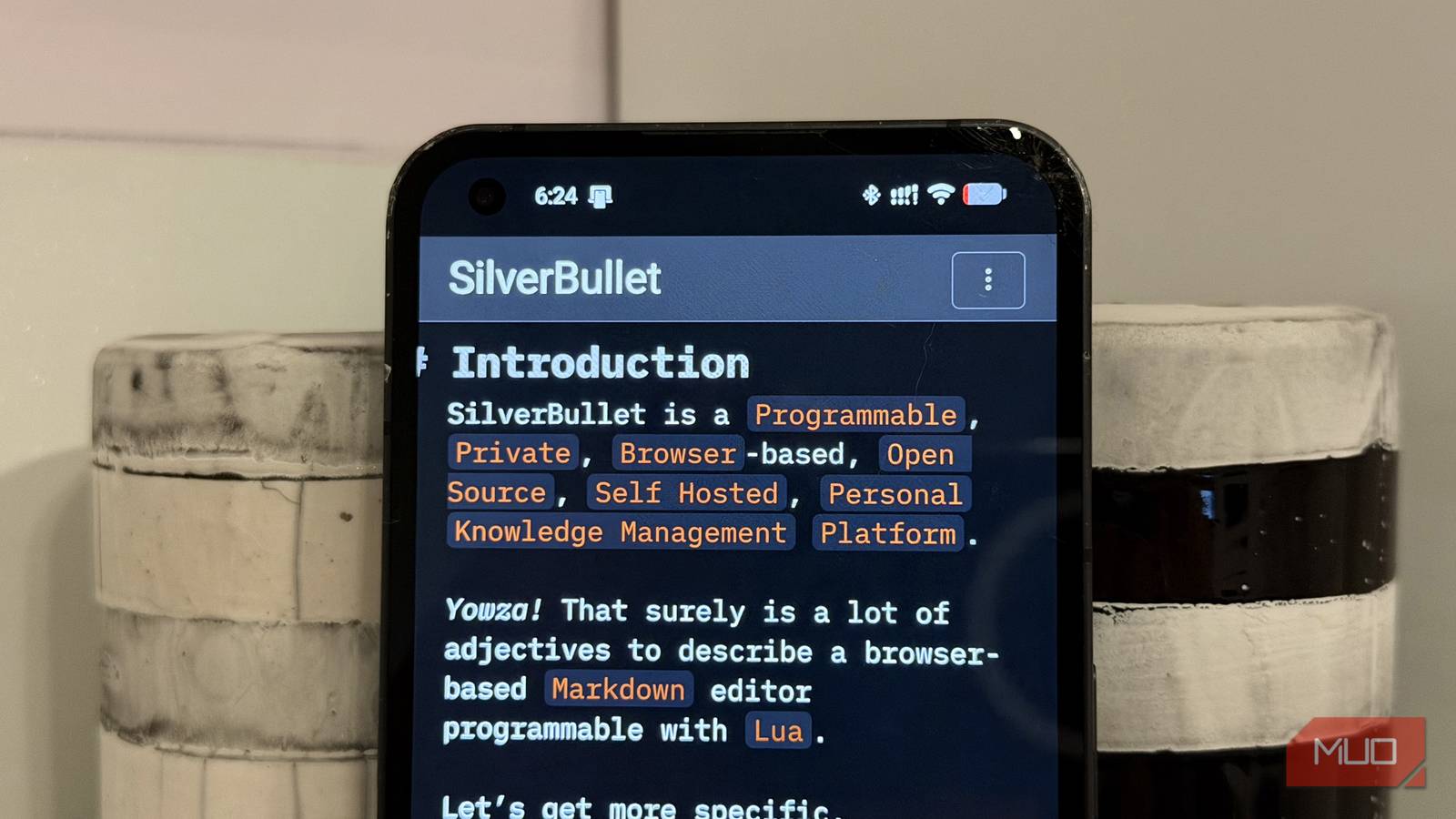
 This is the most flexible Markdown notes app I’ve ever used
Added: Feb 25, 2026
This is the most flexible Markdown notes app I’ve ever used
Added: Feb 25, 2026This is the most flexible Markdown notes app I’ve ever used
Site: MUO
While apps like Notion and Obsidian fill their purpose, this one could take down a werewolf.
-
'I would guess the gap between supply and demand is growing [by a] single digit % every day' says Google AI Studio lead about compute capacity
Site: PC Gamer
If not an AI handbrake, perhaps just a slowing of the wheels?

-
Five takeaways from President Trump’s State of the Union address Added: Feb 25, 2026
5 takeaways from President Trump’s State of the Union address
Site: The Hill
President Trump delivered the first official State of the Union address of his second term on Tuesday. The speech came with the president beset by low approval ratings, especially on the economy, b…
President Trump delivered the first official State of the Union address of his second term on Tuesday. The speech came with the president beset by low approval ratings, especially on the economy, but seeking to rally his party ahead of November’s midterms. Trump also gave his address, which clocked in at just short of an hour and 50 minutes, during a time of rising tension with Iran. The president has dispatched two aircraft carrier groups to the region. Here are the major takeaways from the speech. The single most substantive policy question hanging over the address was whether Trump would make his plans for Iran clearer. He didn’t — or at least not by much. “We are in negotiations with them. They want to make a deal but we haven’t heard those secret words: ‘We will never have a nuclear weapon,’” Trump said. “My preference is to solve this problem through diplomacy. But one thing is certain: I will never allow the world’s No. 1 sponsor of terror, which they are by far, to have a nuclear weapon. Can't let that happen.” There are a number of complexities to this ahead of talks between Iran and the United States that are set to take place in Geneva on Thursday. First, Iranian President Masoud Pezeshkian told the United Nations General Assembly last September: “Iran has never sought and will never seek to build a nuclear bomb.” Second, elsewhere in his speech, Trump suggested, as he has before, that Iran’s capability when it comes to long-range weapons, regardless of their nuclear or non-nuclear nature, is its own hurdle. And he also condemned Tehran's killing of protesters around the turn of the year. The bottom line is it remains unclear exactly what Trump is proposing as the solution to a hazily defined problem, or whether he envisions the regime in Tehran staying in power or not. The early part of the speech — when the viewing figures for the live TV audience are typically at their height — focused mostly on the economy. Some of Trump’s claims were valid, such as the stock market being at or near record highs, and some were not. He did not, as he claimed, inherit a nation with “inflation at record levels" by any standard measure. Annualized inflation in January 2025, when he began his second term, was at 3.0 percent. In the latest figures, for this January, it is at 2.4 percent. Trump’s approval ratings are particularly parlous when it comes to public perceptions of rising prices, too. In a recent Washington Post/ABC News/Ipsos poll, 65 percent of adults disapproved of his handling of inflation, while only 32 percent approved. On Tuesday night, he returned to a version of an attack he has made previously, contending that Democrats had “suddenly used the word ‘affordability,’ a word they just used it — somebody gave it to them.” Trump argued it was Democrats who were, in fact, to blame for those prices. He also slammed the opposition party for voting against last year’s tax cut and spending bill, saying “they wanted large-scale tax increases to hurt the people instead.” The most dramatic moments of the address came, perhaps predictably, on the topic of immigration. At one point, Trump said that his audience should “stand up and show your support” if they agreed with the statement that “the first duty of the American government is to protect American citizens, not illegal aliens." Democrats overwhelmingly remained seated, which is hardly a surprise given their fervent opposition to the aggressive enforcement actions taken by Immigration and Customs Enforcement and by other agents under the auspices of the Department of Homeland Security. Those actions led to the shooting to death of two U.S. citizens in Minnesota in January, Renee Good and Alex Pretti. Still, Trump glared at the Democrats and said, “You should be ashamed of yourselves, not standing up.” There was also a shouting match revolving around Rep. Ilhan Omar (D-Minn.), who shouted that Trump had “killed Americans.” When Trump accused “the Somali community” — of which Omar is a member — of having “pillaged” billions of taxpayer dollars, Omar could be heard shouting that he was a liar. Trump had already taken aim at the high court in the immediate wake of the justices striking down many of his key tariffs last week. The president had taken particular umbrage at three conservative justices who ruled against his wishes, including two whom he appointed during his first term, Neil Gorsuch and Amy Coney Barrett. Last week, Trump said the decision was an “embarrassment to their families.” That seemed to raise the stakes for an epic confrontation on Tuesday night, when four justices — John Roberts, Elena Kagan, Brett Kavanaugh and Barrett — were in attendance. Trump called the ruling “unfortunate” and “disappointing” but he never let loose completely against the court. In the modern age, State of the Union addresses simply don’t matter as much as they once did. Not so long ago, the annual speech was still seen as a rare opportunity for an American president to speak to the public unfiltered. These days, Trump often does that several times a day on social media. Still, the speech does offer a massive TV audience. Republicans are likely to be broadly satisfied with the contrasts Trump drew on hot-button issues like immigration and transgender rights — and by the fact that he avoided sparking the kind of colossal controversy that might have drowned everything else out. Democrats plainly don’t believe he did anything to change a political landscape in which they fancy their chances of taking control of the House, at a minimum, in November. Virginia Gov. Abigail Spanberger (D), delivering her party’s response, framed her argument around three questions. “Is the president working to make life more affordable for you and your family? Is the president working to keep Americans safe, both at home and abroad? Is the president working for you?” she asked rhetorically.

-
 Once Upon a Time, Writing Code Was Fun - DEV Community
Added: Feb 25, 2026
Once Upon a Time, Writing Code Was Fun - DEV Community
Added: Feb 25, 2026Once Upon a Time, Writing Code Was Fun
Site: DEV Community
I’m one of those developers who’s had the privilege of writing code by hand in its rawest form, the...

-
THIS IS FAKE NEWS
Site: YouTube
SUPPORT THE SHOW BUY CAST BREW COFFEE NOW - https://castbrew.com/Join - https://www.youtube.com/channel/UCLwNTXWEjVd2qIHLcXxQWxA/joinHosts: Tim @Timcast (eve...

-
THEY KILLED THEM | Timcast IRL #1457 w/Jay Dyer & Jake Botch
Site: YouTube
Go to http://fieldofgreens.com and use code TIM for 20% off!SUPPORT THE SHOW BUY CAST BREW COFFEE NOW - https://castbrew.com/Join - https://www.youtube.com/c...

-
Docs Explore Allergy Surge, Bill Gates Addresses Epstein Ties, Crockett Surges in TX: AM Update 2/26
Site: YouTube
FDA Commissioner Dr. Marty Makary convenes top researchers to confront the surge in food allergies, warning past medical advice to avoid allergens helped fue...

-
 Narcissists are persuasive speakers but terrible writers, study finds
Added: Feb 26, 2026
Narcissists are persuasive speakers but terrible writers, study finds
Added: Feb 26, 2026Narcissists are persuasive speakers but terrible writers, study finds
Site: PsyPost - Psychology News
Highly self-centered individuals exude a natural charisma that makes them convincing speakers. However, a new study reveals that when these same people try to persuade others through writing, their arguments completely fall apart.
People with highly self-centered and grandiose personalities often believe they can convince anyone to do anything. A new study shows they might actually succeed at this goal when speaking out loud.
However, when these same individuals attempt to persuade others through writing, their arguments fall flat and fail to impress readers. These findings, published in the <em><a href="https://doi.org/10.1016/j.jrp.2025.104649" target="_blank">Journal of Research in Personality</a></em>, reveal that the persuasive abilities of self-centered individuals depend heavily on the way they communicate.
Researchers have spent decades evaluating grandiose narcissism as a personality trait. This trait involves a highly self-centered, dominant, and manipulative way of interacting with the world. People with high levels of this trait usually project extreme confidence, charm, and a strong desire to be the center of attention.
Because of these specific traits, highly self-centered individuals constantly seek out higher social status. They want to be admired and respected by others in their daily lives. To achieve this constant validation, the ability to sway other people's opinions is a highly prized skill.
Joshua D. Foster, a psychology researcher at the University of South Alabama, led a team to investigate whether these individuals are actually as convincing as they claim to be. Foster and his colleagues noticed that self-centered people often make great first impressions and frequently rise to leadership roles. They seem to possess the natural charisma needed for public speaking.
At the same time, the research team recognized that writing requires a vastly different set of skills. When people listen to a speech, they often focus on surface-level cues like the speaker's confidence, physical attractiveness, or vocal enthusiasm. Psychologists refer to this fast, less critical evaluation as the peripheral route to persuasion.
Reading a written message allows a person to slow down and process the information at their own pace. Readers tend to focus heavily on the logical flow and the actual strength of the arguments presented. This slower, more thoughtful evaluation is known as the central route to persuasion.
Foster and his team suspected that self-centered individuals might struggle with this central route. Crafting a strong written argument requires a person to understand their audience's perspective and to think critically about their own ideas. Highly self-centered people often lack cognitive empathy, which is the ability to accurately perceive the thoughts and feelings of others.
Because they are often overconfident and resistant to criticism, these individuals might not take the time to refine their written arguments. The researchers wanted to test if this personality type naturally excels at spoken persuasion while failing at written persuasion.
To test their ideas, the researchers set up four separate experiments. The first experiment focused entirely on spoken communication. The research team recruited college students to deliver short speeches about how their university could improve the academic and social experiences of the student body.
Before speaking, the students completed a standard personality questionnaire to measure their levels of grandiose narcissism. The questionnaire asked them to choose between statements like, "I can make anybody believe anything I want them to," and more humble alternatives. The students then delivered their persuasive speeches on camera.
The student speakers were instructed to make their presentations as strong as possible, and they were given a few minutes to outline their talking points. The researchers placed them in a hallway in front of a camera to record their arguments. The speakers were given unlimited time to talk, with researchers holding up signs to show how much time had passed.
Afterward, the speakers rated how convincing they thought their own presentations would be. A separate group of participants, referred to as targets, later watched these recorded speeches. The targets rated each video based on how convincing they found the speaker.
The results showed that highly self-centered speakers expressed immense confidence in their own speeches. The targets mostly agreed with them. When compared to other speakers in the group, the highly self-centered students were rated as slightly more persuasive.
When the researchers analyzed the viewing data, they looked at how the targets evaluated the speakers relative to each other. They found that targets rated speakers as more persuasive when those specific speakers were more self-centered than the others in their viewing group. The effect was small, but it consistently showed that self-centered speakers had a slight edge over their peers.
The researchers noted that these individuals tended to speak for longer periods of time than their peers. The targets seemed to view longer speeches as better speeches. This extra talking time partially explained why the self-centered speakers received higher ratings from the targets.
The research team then shifted their focus to written communication for the next three experiments. They recruited hundreds of adults through an online platform to write short, persuasive essays. They asked these writers to argue about the relationship between individuals and groups.
In one experiment, all participants argued that the individual is more important than the group. In another, some writers were randomly assigned to argue the exact opposite point. In the final experiment, the researchers told half of the writers that they were competing for a cash prize to see if competition motivated them to write better essays.
During the written experiments, the online participants were given at least eight minutes to complete their essays. They were allowed to take as much time as they needed to finish their writing. The researchers tracked how long each person spent typing to see if self-centered individuals put more effort into their arguments.
They found that highly self-centered individuals did not spend any extra time writing or revising their essays. They typed for the exact same amount of time as the other participants. They also produced essays of the same average length as everyone else.
Just like in the first experiment, the writers filled out personality questionnaires and rated their own work. Then, new groups of targets read the essays and rated how convincing the written arguments were.
Despite putting in a completely average amount of effort, the self-centered writers confidently predicted that their essays would easily persuade the readers. This time, the targets strongly disagreed.
Across all three writing experiments, targets rated the essays produced by highly self-centered individuals as less persuasive than the essays written by others. The essay topic did not change this outcome. Adding a competitive cash prize also did not produce a statistically significant improvement in their ratings.
The researchers analyzed the difference between a person's self-confidence and their actual performance. They found that this gap was massive for the highly self-centered writers. While they thought they were crafting brilliant arguments, the readers found their writing to be unimpressive and unconvincing.
When readers evaluated the essays, they were likely looking for logical coherence and clear reasoning. Without the benefit of a speaker's vocal enthusiasm or physical presence, the weak points in the arguments became incredibly obvious.
The researchers suspected that these writers failed to consider their audience. Because highly self-centered individuals often rely on their natural charm, they might neglect to develop the logical reasoning skills needed for writing. Without a physical presence to charm the reader, their arguments simply fell apart.
While these experiments provide a clear proof of concept, the researchers acknowledged a few limitations in their work. The studies used different populations and different topics for the spoken and written experiments. The college students spoke about university life, while the online adults wrote about abstract social concepts.
Because the methods were not identical, the researchers could not make perfectly direct comparisons between the two forms of communication. They suggest that future studies should have the same participants give speeches and write essays on the exact same topic. This setup would provide a much clearer picture of how communication style affects persuasion.
The team also pointed out that they only measured how convincing the targets thought the messages were. They did not measure whether the targets actually changed their personal beliefs or attitudes after listening or reading. Future experiments could track real shifts in opinion to see if these self-centered individuals can actually change minds.
Additionally, the targets who evaluated the speeches were relatively young college students. These young targets might have viewed the extreme confidence of the speakers as a sign of high social status. The researchers suggested that testing older adults might produce different reactions to the speeches.
Finally, the researchers suggested exploring how these personality types handle defending unpopular opinions. Highly self-centered individuals are prone to exaggeration and bending the truth. Testing how they use these tactics could reveal even more about the limits of their persuasive abilities.
The study, “<a href="https://doi.org/10.1016/j.jrp.2025.104649" target="_blank">Silver tongues, plastic pens: modality-dependent persuasiveness in narcissists</a>,” was authored by Joshua D. Foster, Joost M. Leunissen, Barbara Nevicka, and Constantine Sedikides.

-
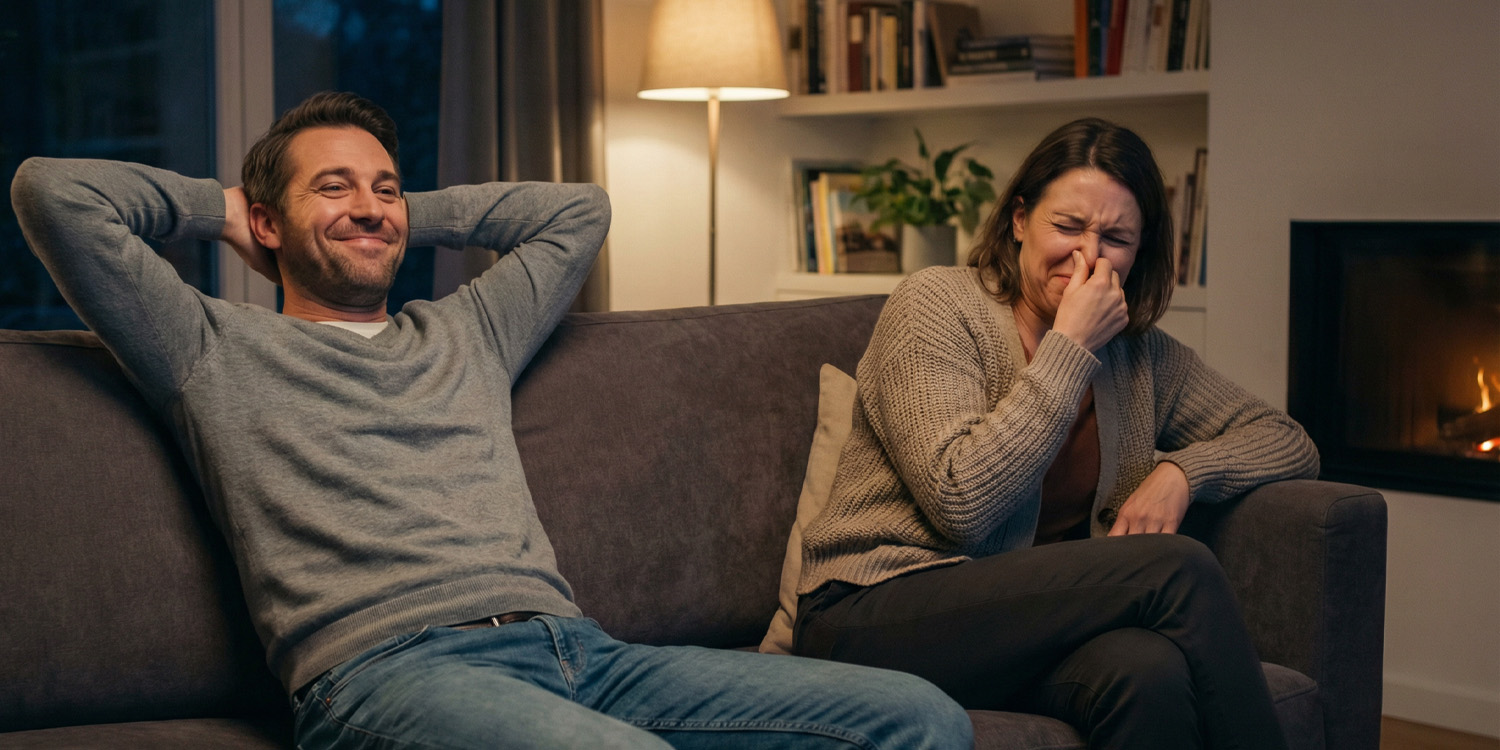
The science behind why we prefer the smell of our own farts
Added: Feb 26, 2026
The science behind why we prefer the smell of our own farts
Site: PsyPost - Psychology News
You aren't imagining it—your own brand smells better. Here is the evolutionary psychology behind the phenomenon.
It is a phenomenon that has prompted giggles in schoolyards and silent contemplation in adults, yet it remains a genuine biological curiosity: why do people tolerate, or even secretly enjoy, the smell of their own flatulence while finding the emissions of others repulsive? While often dismissed as a crude joke, this behavior strikes at the heart of human evolutionary psychology, sensory perception, and the immune system’s defense mechanisms.
A collection of studies published in journals such as the <em>European Journal of Social Psychology</em>, <em>Gut</em>, and <em>Perception</em> suggests that this preference is not merely a quirk of personality. Rather, it appears to be a complex interplay of the "source effect," mere exposure, and a biological drive to avoid disease.
<strong>The Chemistry of the Smell</strong>
To understand what makes flatulence repulsive in the first place, researchers published a study in the journal <em>Gut</em> that analyzed the specific gases responsible for the odor. The scientists sought to identify exactly which chemicals distinguish a harmless release of air from a noxious event. They enlisted 16 healthy adults to participate in a study where their flatulence was collected quantitatively via a rectal tube.
To ensure adequate gas production, the participants ate 200 grams of pinto beans and ingested lactulose, a carbohydrate that ferments in the colon. The researchers collected the gas in impermeable bags and analyzed its chemical makeup. They found that while the bulk of flatulence consists of odorless gases like nitrogen, oxygen, and carbon dioxide, the smell is caused by trace amounts of sulfur-containing gases. The primary culprit identified was hydrogen sulfide, the chemical responsible for the "rotten egg" smell. Other contributors included methanethiol, which smells like decomposing vegetables, and dimethyl sulfide, which has a sweet but unpleasant odor.
The researchers correlated the concentrations of these gases with odor intensity ratings provided by two judges. They found that hydrogen sulfide concentration was the strongest predictor of how bad the gas smelled. This study highlights that the stimulus itself—sulfur gas—is objectively unpleasant to the human nose.
<strong>The Source Effect and Disease Avoidance</strong>
Research published in the <em>European Journal of Social Psychology</em> provides evidence for what scientists call the "source effect." This concept suggests that the origin of a smell dictates our emotional reaction to it. The study indicates that people consistently rate body odors, including fecal smells and sweat, as less unpleasant when they believe the source is themselves rather than a stranger. This psychological bias likely serves an evolutionary function, protecting individuals from the pathogens carried by others while preventing them from being in a constant state of disgust toward their own bodies.
Scientists led by Richard Stevenson and Betty Repacholi conducted a series of five studies to explore why the source of a smell changes our hedonic, or pleasure-related, response to it. The researchers aimed to test the "disease avoidance" model of disgust. This theory posits that the emotion of disgust evolved to protect humans from pathogens. Since strangers carry foreign germs to which an individual may not have immunity, the body reacts with heightened revulsion to their biological byproducts. In contrast, one’s own microbiome is already familiar to the immune system, rendering the accompanying smells less threatening.
In their first study, 185 university students were presented with vignettes describing various scenarios involving malodors, such as flatulence, sweat, or smelly feet. The sources of these odors varied between the participant, a stranger, or a close loved one. The participants rated how much they would dislike the smell and how much disgust they would display. The results showed a clear hierarchy. Participants rated their own hypothetical odors as significantly less unpleasant than those of a stranger. This effect was most pronounced for fecal odors, which carry the highest disease risk, compared to non-body odors like garbage.
To ensure these results were not just hypothetical, the researchers conducted a second study using a "smell diary." Sixteen participants recorded their reactions to real odors they encountered in their daily lives over five days. They rated the pleasantness of smells from themselves, such as their own sweat or flatulence, versus those from others. The data confirmed the laboratory findings. Body odors originating from the self were rated as significantly less unpleasant and less disgusting than those from other people.
This research indicates that our revulsion is not triggered solely by the chemical composition of the gas but by our knowledge of its origin. The closer the relationship to the source, the less disgust is felt, but even a partner’s odors are rated as more unpleasant than one’s own. This suggests that the brain modulates the intensity of disgust based on the perceived risk of infection, treating the self as the safest source.
<strong>Familiarity Breeds Tolerance</strong>
Another major factor in why we prefer our own scent is the "mere exposure" effect. This psychological principle states that people tend to develop a preference for things merely because they are familiar with them. Research published in <em>Perception</em> by Simon Mingo and Richard Stevenson explored how familiarity alters the perception of odors. They hypothesized that unfamiliar odors are harder to discriminate and are perceived as more intense and "redolent," meaning they remind the smeller of many different things, creating a sense of ambiguity that can be unsettling.
The researchers conducted an experiment with 49 participants who sniffed sets of familiar and unfamiliar odors. They found that unfamiliar odors were consistently judged as less pleasant and more intense. In a follow-up experiment, 36 participants were exposed to unfamiliar odors repeatedly over time. The results showed that mere exposure caused the participants to rate the once-unfamiliar odors as less redolent and more similar to familiar smells.
This mechanism applies directly to one’s own flatulence. Because an individual lives with their own body constantly, they are biologically habituated to their specific bacterial signature. The smell is familiar, and as the study suggests, familiar smells are processed as less intense and less ambiguous than novel ones. When a stranger passes gas, the odor profile is distinct due to their unique diet and gut microbiome. This novelty triggers the brain’s alert system, making the smell feel more intense and threatening than it arguably is.
<strong>The Biological Self and the "Ego-Alien"</strong>
The boundary between "self" and "other" is a central theme in understanding disgust. Research published in <em>Psychological Review</em> by Paul Rozin and April Fallon argues that disgust is primarily a defense against "oral incorporation," or the intake of offensive objects into the body. They propose that as long as bodily products like saliva, feces, or gas are inside the body, they are viewed as part of the self and cause no disgust. However, once they leave the body, they cross a psychological boundary and become "ego-alien."
Despite this transition, the researchers note that we maintain a residual tolerance for our own byproducts compared to those of others. This is partly due to the belief that "you are what you eat." Since we know what we consumed, the output feels less dangerous. In contrast, the byproducts of others are complete unknowns. This connects back to the concept of magical contagion, where people feel that the "essence" of a person is contained in their residues. If the source is a stranger, their essence is viewed as a contaminant. If the source is the self, the contamination threat is nullified.
This theory was supported by a classic study published in the <em>Personality and Social Psychology Bulletin</em>. Researchers Donald McBurney, John Levine, and Patricia Cavanaugh collected body odor samples from 11 male graduate students who wore t-shirts for 48 hours without deodorant. Later, these students were asked to rate the unpleasantness of various shirts, including their own.
The study found that while participants could not reliably identify their own shirt by smell alone, they consistently rated their own odor as less unpleasant than the odors of others. This aligns with the adage that "your own doesn't stink," providing early empirical evidence that the self-reference bias shields us from our own biological scents.
<strong>Learning to Like the Smell</strong>
The preference for specific odors is not just innate but learned through emotional association. Research published in the <em>International Journal of Comparative Psychology</em> by Rachel Herz and colleagues demonstrated that hedonic perception—whether we like or dislike a smell—can be changed through emotional conditioning. In their experiment, 32 female participants were exposed to a novel odor while playing a computer game.
One group played a rigged game that was frustrating and impossible to win, while another group played a game that was entertaining and resulted in a cash prize. Later, when asked to rate the odor, the participants who had a positive experience rated the smell significantly more pleasant than those who had the frustrating experience. This suggests that if an odor is paired with a positive emotional state, we learn to like it.
In the context of flatulence, the act of passing gas is often associated with the relief of physical pressure and discomfort. This physiological relief is a positive sensation. Over a lifetime, the brain pairs the specific scent of one’s own gas with this feeling of relief. This Pavlovian conditioning may contribute to why the smell is tolerated or even interpreted positively. On the other hand, the smell of another person’s gas is usually associated with social awkwardness, intrusion, or the fear of germs, reinforcing a negative response.
<strong>The Brain on Bad Smells</strong>
Modern neuroscience offers a glimpse into how the brain processes these unpleasant odors. A study published in <em>NeuroImage</em> by Jean-Pierre Royet and colleagues used functional magnetic resonance imaging (fMRI) to observe brain activity in 28 subjects as they smelled pleasant and unpleasant odors. The researchers found that unpleasant odors elicited significantly more activity in the amygdala and the piriform cortex than pleasant odors.
The amygdala is the part of the brain responsible for processing fear and intense emotion. This finding implies that bad smells trigger a primal survival response that is more intense than the relaxation response triggered by good smells. The study also found that when subjects were asked to actively make a judgment about how pleasant a smell was, the orbitofrontal cortex—a region involved in decision-making and value assignment—became active.
This suggests that our reaction to flatulence involves two distinct neural pathways. The first is an immediate, automatic reaction from the amygdala detecting a potential threat (the sulfurous odor). The second is a conscious evaluation by the orbitofrontal cortex, which contextualizes the smell. If the cortex recognizes the source as "me," it likely dampens the amygdala's alarm response. If the source is "them," the alarm bells continue to ring, resulting in the feeling of disgust.
<strong>Gender and Individual Differences</strong>
The fMRI study by Royet also revealed distinct differences in how men and women process these odors. Women showed stronger activation in the left orbitofrontal cortex during hedonic judgments than men. This correlates with behavioral research suggesting that women generally have a more acute sense of smell and are better at identifying odors. This heightened sensitivity might make women more prone to the source effect, reacting more strongly to the odors of strangers due to a more active evaluation system in the brain.
Additionally, the research by Stevenson and Repacholi found that people with higher "disgust sensitivity"—a personality trait measuring how easily one is grossed out—showed a larger gap between how they rated their own smells versus those of others. This indicates that the more afraid a person is of germs or contamination, the more forgiveness they grant themselves compared to the harsh judgment they pass on strangers.
<strong>Conclusion and Future Directions</strong>
The scientific consensus suggests that liking the smell of one’s own flatulence is a functional cognitive illusion. It is a byproduct of habituation, where the constant presence of our own microbiome renders the scent familiar and non-threatening. It is reinforced by positive associations with physical relief. Most importantly, it is a mechanism of disease avoidance. By finding the odors of others repulsive, humans are biologically discouraged from coming into contact with foreign pathogens that could cause illness.
While these studies provide a robust framework, there are limitations. Many of the studies relied on small sample sizes or self-reported data, which can be subject to bias. For instance, the "smell diary" relies on participants being honest about their hygiene and body functions. Furthermore, much of the research focuses on Western populations, leaving open the question of whether cultural differences in hygiene and diet might alter the magnitude of the source effect.
<strong>References:</strong> <ul> <li>Herz, R. S., Beland, S. L., & Hellerstein, M. (2004). Changing Odor Hedonic Perception Through Emotional Associations in Humans. <em>International Journal of Comparative Psychology</em>, 17, 315-338.</li> <li>McBurney, D. H., Levine, J. M., & Cavanaugh, P. H. (1976). Psychophysical and Social Ratings of Human Body Odor. <em>Personality and Social Psychology Bulletin</em>, 3, 135-139.</li> <li>Mingo, S. A., & Stevenson, R. J. (2007). Phenomenological differences between familiar and unfamiliar odours. <em>Perception</em>, 36, 931-947.</li> <li>Oaten, M., Stevenson, R. J., & Case, T. I. (2009). Disgust as a Disease-Avoidance Mechanism. <em>Psychological Bulletin</em>, 135(2), 303–321.</li> <li>Royet, J.-P., Plailly, J., Delon-Martin, C., Kareken, D. A., & Segebarth, C. (2003). fMRI of emotional responses to odors: influence of hedonic valence and judgment, handedness, and gender. <em>NeuroImage</em>, 20, 713–728.</li> <li>Rozin, P., & Fallon, A. E. (1987). A Perspective on Disgust. <em>Psychological Review</em>, 94(1), 23-41.</li> <li>Stevenson, R. J., & Repacholi, B. M. (2005). Does the source of an interpersonal odour affect disgust? A disease risk model and its alternatives. <em>European Journal of Social Psychology</em>, 35, 375–401.</li> <li>Suarez, F. L., Springfield, J., & Levitt, M. D. (1998). Identification of gases responsible for the odour of human flatus and evaluation of a device purported to reduce this odour. <em>Gut</em>, 43, 100–104.</li> </ul>
-
Vice President JD Vance Delivers Remarks at a Precision Manufacturing Facility in Plover, Wisconsin
Site: YouTube
Plover, WI

-
 Mysterious Stone in US Backyard Turned Out to Be an Archaeological Treasure : ScienceAlert
Added: Feb 26, 2026
Mysterious Stone in US Backyard Turned Out to Be an Archaeological Treasure : ScienceAlert
Added: Feb 26, 2026Mysterious Stone in US Backyard Turned Out to Be an Archaeological Treasure
Site: ScienceAlert
If you've ever tried to overhaul a garden, you know you're bound to find broken bits of pottery and long-forgotten statuary swallowed by vines – but for one couple, that imitation of archaeological discovery turned into the real thing.

-
SNL Host Connor Storrie and James Austin Johnson Face Off in an Accent Duel
Site: YouTube
Connor Storrie hosts Saturday Night Live on February 28, 2026, with musical guest Mumford & Sons.Saturday Night Live. Stream now on Peacock: https://pck.tv/3...

-
How Uruguay became covered in artificial forests #shorts
Site: YouTube
How a 1987 law changed what Uruguay looks like from space.

-
I finally found a Google Lens feature I use every day, and it has nothing to do with shopping
Added: Feb 26, 2026
I finally found a Google Lens feature I use every day, and it has nothing to do with shopping
Site: Android Police
It unexpectedly replaced manual typing for me

-
Gemini 3.1 Pro vs Gemini 3 Pro: Google’s new AI is slower on purpose — and smarter for it | TechRadar Added: Feb 26, 2026
I put Gemini 3.1 head-to-head with Gemini 3 and the results blew me away
Site: TechRadar
Google’s Gemini 3.1 feels like the polished, more reliable evolution of Gemini 3

-
Nano Banana 2: Combining Pro capabilities with lightning-fast speed
Site: Google
Our latest image generation model offers advanced world knowledge, production-ready specs, subject consistency and more, all at Flash speed.

-
The Way You Talk Could Be an Early Warning Sign for Dementia Added: Feb 26, 2026
The Way You Talk Could Be an Early Warning Sign for Dementia
Site: SciTechDaily
Natural speech timing patterns may offer a practical and sensitive way to detect early cognitive decline.

-
Ancient Waters Deep Beneath Earth's Surface May Explain How Strange Ecosystems Thrive Below The Surface | IFLScience Added: Feb 26, 2026
-
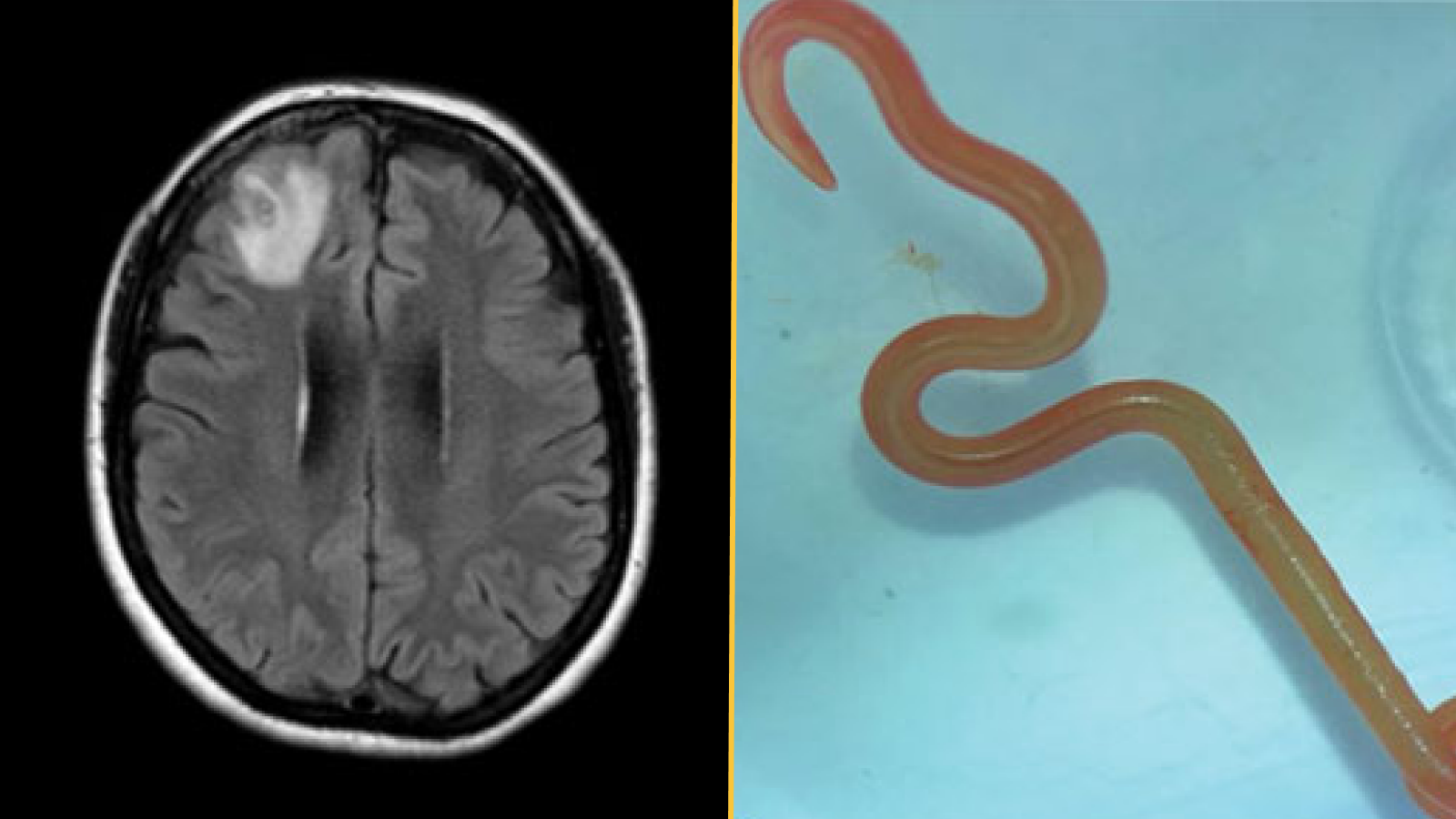
Diagnostic dilemma: A parasite never before seen in humans was behind a woman's lung infection, organ damage and forgetfulness | Live Science Added: Feb 26, 2026
Diagnostic dilemma: A parasite never before seen in humans was behind a woman's lung infection, organ damage and forgetfulness
Site: Live Science
A woman developed a persistent infection, and doctors couldn't pinpoint the cause for many months.
-
Site: X (formerly Twitter)
-
Site: X (formerly Twitter)
-
Site: X (formerly Twitter)
-
Site: X (formerly Twitter)
-
Mr. Bean (character) Added: Feb 26, 2026
-
Rowan Atkinson Added: Feb 26, 2026
