Bookmarks 2026-04-06T15:37:57.113Z
by Owen Kibel
24 min read
Bookmarks for 2026-04-06T15:37:57.113Z
-
 Intelligent people are better judges of the intelligence of others
Added: Apr 6, 2026
Intelligent people are better judges of the intelligence of others
Added: Apr 6, 2026Intelligent people are better judges of the intelligence of others
Site: PsyPost - Psychology News
Are some people naturally better at guessing a stranger's IQ? A new study reveals that highly intelligent, emotionally perceptive, and happy individuals are significantly more accurate at judging the intelligence of others.
A study in Germany found that intelligent individuals tend to be more accurate judges of other people’s intelligence. Better judges of the intelligence of others also included people with stronger emotion perception abilities and those who were more satisfied with their lives. The paper was published in the journal <a href="https://doi.org/10.1016/j.intell.2025.101994"><em>Intelligence</em></a>.
Intelligence is the ability to learn, understand, reason, and solve problems. It involves using knowledge effectively in new situations and includes the capacity to adapt to changing circumstances.
Psychologists view it as a combination of abilities such as memory, attention, verbal skill, and logical thinking. Some theories describe intelligence as a single general ability, while others see it as a set of multiple distinct abilities.
On average, people are able to estimate the intelligence of others even after very short encounters. This ability is important because intelligence plays a critical role in a person’s ability to adapt to their environment and navigate social exchanges. However, individuals differ in their ability to accurately judge the intelligence of others. While some can recognize the intelligence level of another person quite accurately, the assessments of others are not so good.
Study author Christoph Heine and his colleagues investigated individual differences in the ability to judge others’ intelligence based on short video clips. They hypothesized that intelligent individuals would be better able to accurately judge the intelligence of other people.
They also expected that females would be better judges of intelligence than males, and that the ability to judge the intelligence of others would be positively associated with emotion perception abilities, empathy, openness, subjective well-being, and social curiosity.
The study participants consisted of 198 individuals, 72% of whom were university students. One hundred and forty of the participants were women, and the participants’ average age was 29 years.
Participants viewed 50 one-minute videos showing "target" persons with different, previously verified levels of intelligence. The individuals shown in the videos performed tasks such as reading a weather report aloud, describing a recent enjoyable experience, explaining the meaning of the term “symmetry”, or engaging in a short roleplay. After each video, the study participants judged the intelligence of the target person on a five-point scale.
The study authors assessed the actual intelligence of the study participants using three different tests that covered various forms of cognitive ability. (These same tests had been used to assess the verified intelligence of the target people in the videos). The study participants also completed assessments measuring their emotion perception abilities, empathy, personality traits, and subjective well-being.
Results showed that intelligence judgment accuracy varied significantly across participants, proving that people do indeed differ systematically in their ability to act as a "good judge" of intelligence.
As hypothesized, more intelligent individuals tended to be significantly more accurate in judging the intelligence of the people in the videos. Similarly, participants with better emotion perception abilities and those who reported being more satisfied with their lives also tended to be more accurate judges.
The researchers noted that these "good judges" achieved higher accuracy because they relied heavily on valid behavioral cues—specifically, how clearly the target articulated their words, and the actual content and vocabulary of their speech.
However, several of the researchers' other hypotheses were not supported by the data. The study found that gender, empathy, openness, and social curiosity did not make a person a more accurate judge of intelligence.
“These findings underscore the importance of perceivers' cognitive and socio-emotional abilities in social evaluation, and support the idea that being a good judge of intelligence is linked to psychological adjustment,” the study authors concluded.
The study contributes to the scientific understanding of the ways people judge the intelligence of others. However, it remains unclear whether watching short videos is an ecologically valid way to assess a person’s ability to judge intelligence in real-world, dynamic social interactions.
Additionally, the majority of the participants in the study were university students, many of whom were psychology majors. Their familiarity with psychological concepts might have aided them in detecting intelligence cues in the videos. Given this, findings regarding the general population may differ.
The paper, “<a href="https://doi.org/10.1016/j.intell.2025.101994">The good judge of intelligence,</a>” was authored by Christoph Heine, Johannes Zimmermann, Daniel Leising, and Michael Dufner.

-
First Lady Melania Trump Reads to Children at the 2026 White House Easter Egg Roll - YouTube Added: Apr 6, 2026
First Lady Melania Trump Reads to Children at the 2026 White House Easter Egg Roll
Site: YouTube
The White House

-
THIS PISSED ME OFF BAD
Site: YouTube
The new Animal Farm film completely destroys the original message turning a book critical of communism into a movie critical of capitalism and even making el...

-
Today, Humans Are Going Farther Than Ever Before! | by Avi Loeb | Apr, 2026 | Medium Added: Apr 6, 2026
Today, Humans Are Going Farther Than Ever Before!
Site: Medium
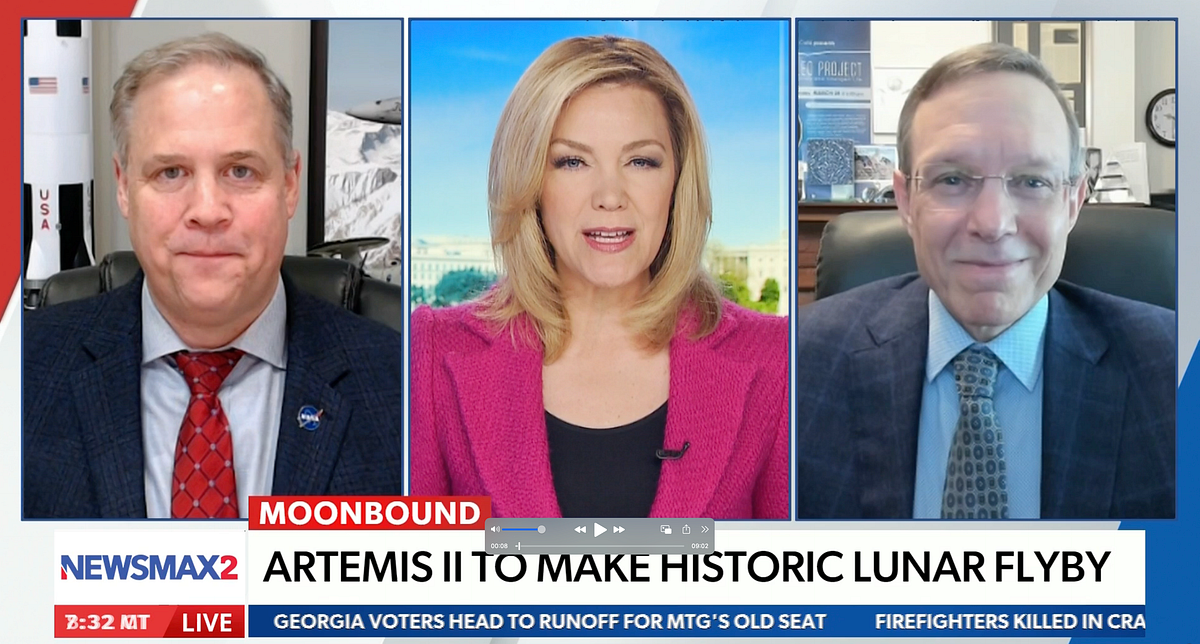
Today, April 6, 2026, the Artemis II spacecraft will carry four humans to a distance of 406,773 kilometers from Earth, the farthest humans…
-
Artemis mission approaches lunar loop for first flyby since 1972 Added: Apr 6, 2026
Artemis mission approaches lunar loop for first flyby since 1972
The Artemis astronauts entered the final phase of their run-up to a lunar loop on Monday, a tipping point of sorts that means the moon's gravity is now having a stronger pull on the spacecraft than Earth's.

-
Tiny African fish caught climbing to the top of a 50-foot waterfall
For over half a century, people in Central Africa have told tales of the fish seen climbing waterfalls, but these claims have never been officially confirmed. Now, these fish have finally been caught on camera, studied more closely, and described in a study published in Scientific Reports.

-
NASA Artemis 2 to make historic moon flyby today. Here's what to expect hour-by-hour (timeline) | Space Added: Apr 6, 2026
NASA Artemis 2 astronauts to make historic moon flyby today. Here's what to expect hour by hour (timeline)
Site: Space
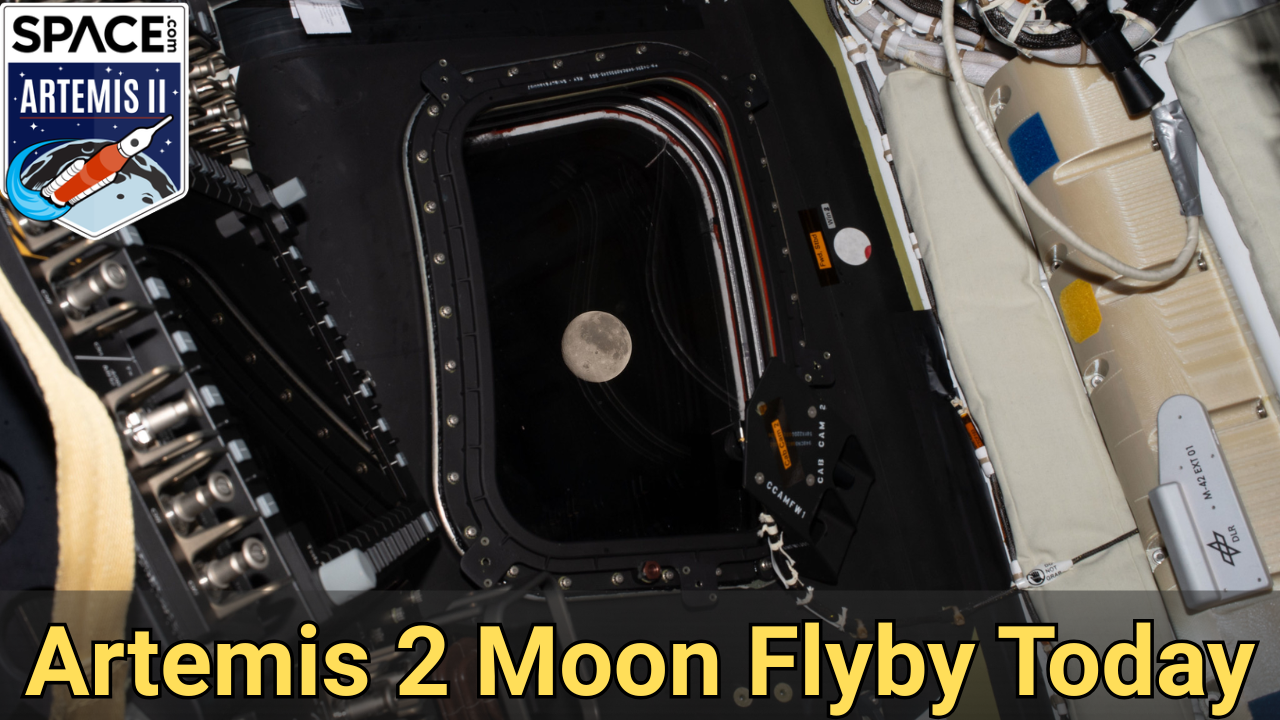
Four Artemis 2 astronauts will spend seven hours flying by the moon today (April 6), seeing lunar sights never before seen by human eyes.
-
California Governor Race: It Was Funny While It Lasted | National Review Added: Apr 6, 2026
California Governor Race: It Was Funny While It Lasted | National Review

-
 The Markdown Book: On Writing ⭐️ - Thurrott.com
Added: Apr 6, 2026
The Markdown Book: On Writing ⭐️ - Thurrott.com
Added: Apr 6, 2026The Markdown Book: On Writing ⭐️
Site: Thurrott.com
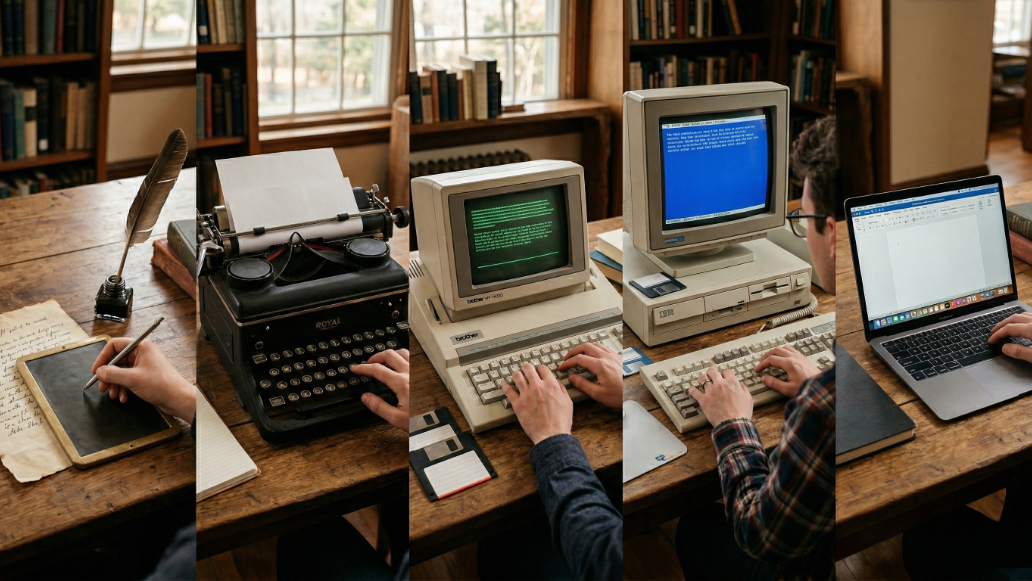
I may or may not write and publish a short e-book about Markdown sometime this year, most likely as part of a monthly focus. But I’ve written small parts of it already, as I do, and I figured it might be interesting for at least some readers. And so here’s an early draft of an […]
-
People consistently devalue creative writing generated by artificial intelligence
Added: Apr 6, 2026
People consistently devalue creative writing generated by artificial intelligence
Site: PsyPost - Psychology News
A recent study involving over 27,000 participants reveals that people consistently give lower ratings to poems and stories when told a computer program wrote them. This negative reaction stems from readers viewing machine-generated art as less authentic.
A recent study published in the <em><a href="https://doi.org/10.1037/xge0001889" target="_blank">Journal of Experimental Psychology: General</a></em> suggests that people consistently judge creative writing more harshly if they believe it was created by artificial intelligence. This bias appears incredibly difficult to overcome, pointing to a persistent human preference for art created by people.
Generative artificial intelligence refers to computer programs capable of producing new text, images, or music by predicting patterns from massive amounts of data. Tools like ChatGPT and Claude can now write essays, poems, and stories that read very much like they were written by a real person. As these technologies become more common, scientists wanted to understand how people react to computer-generated art.
"We started this project in early 2023, shortly after the launch of ChatGPT. From my early interactions with the technology, it was clear to me that this tool was capable of creative production, and I was very curious about whether and how humans would react to AI-produced creative goods," explained study author Manav Raj, an assistant professor in management at the Wharton School of the University of Pennsylvania.
Prior research hints that people might not be able to tell the difference between human and computer writing if they are kept in the dark. However, the researchers conducted this specific study to see what happens when audiences are explicitly told that a machine wrote the text. They wanted to see if this knowledge changes how people enjoy the art and whether anything can soften that negative reaction.
To explore these questions, the scientists carried out sixteen separate experiments involving a total of 27,491 participants. In the first group of five experiments, researchers tested whether the actual content of the writing changed how people reacted to the artificial intelligence label. They had participants read poems and short stories generated by ChatGPT and rated them on quality, creativity, and enjoyment.
Some participants were told a machine wrote the text, while others were told a human wrote it. The researchers varied the writing style, testing first-person versus third-person perspectives, poetry versus prose, and different emotional tones. They even tested stories featuring human characters versus aliens, animals, and robots.
Across all these variations and thousands of participants, readers consistently gave lower ratings to the text when they thought a machine wrote it. Changing the story details did not consistently lessen this penalty. This initial phase provided evidence that the bias is largely independent of the specific content of the writing.
In the second phase of the research, the scientists conducted an experiment with 3,590 participants to see if the evaluation context mattered. They asked one group to judge the text as a piece of art. They asked another group to judge it based on objective qualities like coherence and logic.
Changing the instructions in this way did not soften the negative reaction. Participants in both groups still devalued the writing when they believed it came from a computer. This suggests that the bias applies whether people are reading for pleasure or for practical evaluation.
Next, the researchers ran five more experiments to see if changing people's perceptions of the computer program would help. In these studies, they asked participants to read articles about the impressive cognitive or emotional capabilities of machines before reading the generated stories. In some versions, the scientists also tried humanizing the software by giving it a name and a gender.
None of these strategies reliably reduced the negative bias. Even when the computer program was described as highly capable or given human traits, participants still rated the writing lower upon learning its origin. The negative reaction proved remarkably persistent across these diverse approaches.
"The surprise to us was how persistent the effect was," Raj told PsyPost. "We really tried at different points to "break" it and to find circumstances where we could get the AI disclosure discount to go away. Despite our attempts that built on existing literature on algorithmic aversion, we found this result was really sticky."
In a fourth pair of experiments, the scientists explored whether knowing a computer wrote a story simply makes people feel ambivalent. Ambivalence means having mixed feelings, where someone might see both positive and negative qualities in the exact same thing at the exact same time. Testing 423 and 1,280 participants respectively across two studies, the researchers sought to measure this specific emotional state.
They found that knowing about the computer involvement did not create mixed feelings. It simply made the participants' judgments more negative overall. The disclosure did not create a complex emotional response, but rather a straightforward decrease in appreciation.
Finally, the researchers ran three experiments to test a concept involving a human in the loop. They wanted to know if framing the writing process as a collaboration between a person and a machine would be viewed more favorably. They tested this with machine-generated stories and with actual award-winning short stories written by humans.
When participants were told a person used a computer program as a tool to write the story, they still judged the work just as harshly as if the machine had written it alone.
Throughout the studies, researchers collected data on various potential mechanisms, like perceived humanness, effort, and emotional depth. They consistently found that perceived authenticity was the strongest factor explaining the lowered ratings. People simply view machine-generated text as less authentic than human creations, which explains the negative ratings.
"Our main finding is that, at least at this point, humans have a persistent, negative reaction to knowing that creative goods (or at least creative writing) are produced with the help of AI," Raj said. "While everything with AI is a moving target right now, this lasted over many, many studies and a roughly two-year period of data collection."
While these findings provide evidence of a strong bias, there are a few potential limitations to keep in mind. The participants were recruited from an online platform that tends to attract people who are somewhat tech-savvy. This means the results might not perfectly represent the entire global population.
The observed biases could also manifest differently in visual arts, music, or other physical products. It is entirely possible that attitudes will shift as society becomes more accustomed to this technology. Future research could explore whether this negative bias fades over time as machine-generated text becomes an everyday reality.
"One thing I'd note is that our study does not speak to the quality of AI-generated creative goods at all," Raj explained. "In all cases, we held the writing sample constant and just manipulated whether participants believed it was written by AI. Accordingly, the quality and nature of the creative goods are an open question."
"This last point is a question that I'd be interested in studying future. While we are using AI for creative purposes and innovation, we do not yet know what it means for the characteristics of creative goods (other than some research that suggests we have a hard time telling apart AI-generated vs. human-generated creative goods in some settings). I'm very interested in pushing further in this domain."
The study, "<a href="https://doi.org/10.1037/xge0001889" target="_blank">The Artificial Intelligence Disclosure Penalty: Humans Persistently Devalue AI-Generated Creative Writing</a>," was authored by Manav Raj, Justin M. Berg, Rob Seamans.

-
Iran sends "maximalist" peace plan response as Trump deadline looms Added: Apr 6, 2026
-
Education Department's History Rocks! Celebrates America, and the Left Hates It | National Review

-
President Trump Holds a Press Conference, Apr. 6, 2026
Site: YouTube
The White House

-
DEMOCRATS ARE IN TROUBLE
Site: YouTube
New polling shows Republicans leading Democrats in favorability ahead of the midterms, while Democrats post historically low numbers for this stage of the cy...

-
Megyn Kelly Reacts to Big Reveal After Her Glam Team Gave Emily Jashinsky a Makeover
Site: YouTube
Megyn Kelly reacts to big reveal after her glam team gave Emily Jashinsky a makeover.LIKE & SUBSCRIBE for new videos everyday: https://bit.ly/3Aw93ywWatch fu...

-
THEY BOUGHT THE NARRATIVE
Site: YouTube
SUPPORT THE SHOW BUY CAST BREW COFFEE NOW - https://castbrew.com/Join - / @timcastirl Hosts: Tim @Timcast (everywhere)Phil @PhilThatRemains (X) | https:/...

-
INSANE UFO Caught On FILM, Conspiracies Say We Are AT WAR IN SPACE | Tim Pool
Site: YouTube
INSANE UFO Caught On FILM, Conspiracies Say We Are AT WAR IN SPACE | Tim PoolBecome A Memberhttp://youtube.com/timcastnews/joinThe Green Room - https://rumbl...

-
What household pet are you most closely related to?
Site: YouTube
It’s not the bearded dragon

-
Elon Musk on X: "Yes" / X Added: Apr 6, 2026
Site: X (formerly Twitter)

-
Site: X (formerly Twitter)
-
Site: X (formerly Twitter)
-
Site: X (formerly Twitter)
-
Übermenschen on Exoplanets
Site: Medium
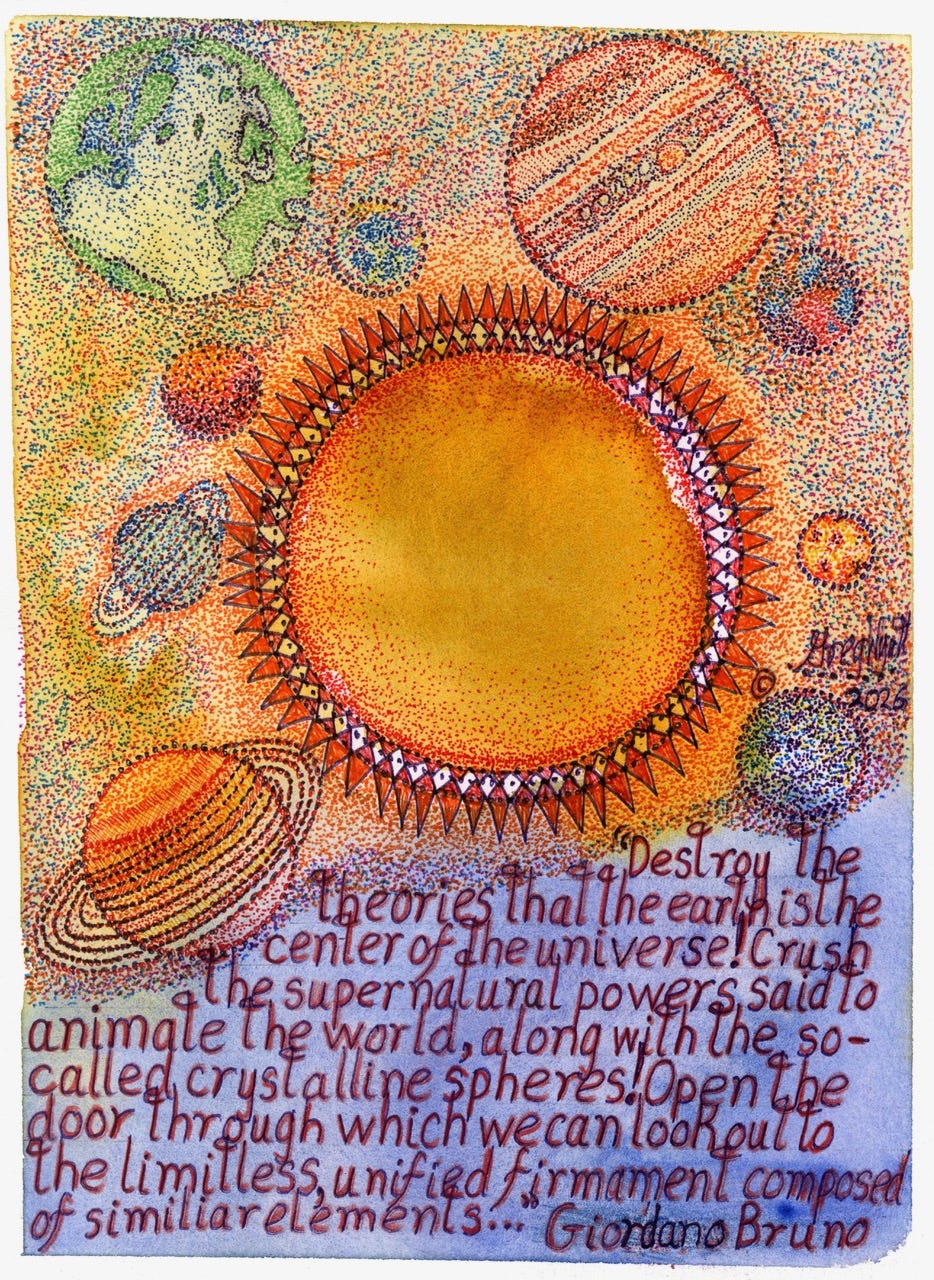
During a typical lifespan, a human experiences about one century of history. However, we rarely wonder what happened to early humans who…
-
Site: X (formerly Twitter)
-
Site: X (formerly Twitter)
-
Site: X (formerly Twitter)
-
Site: X (formerly Twitter)
-
Site: X (formerly Twitter)
-
Site: X (formerly Twitter)
-
Site: X (formerly Twitter)
-
Site: X (formerly Twitter)
-
Why Trump Fans in Independent Media are MORE Critical of Iran War Than Trump Haters on CNN
Site: YouTube
Why Trump fans in independent media are MORE critical of Iran war than Trump haters on CNN.LIKE & SUBSCRIBE for new videos everyday: https://bit.ly/3Aw93ywWa...

-
Trump's MAJOR "F-in" Iran Warning, Rapinoe's Trash Take, and a Special Makeover, w/ Emily Jashinsky
Site: YouTube
Megyn Kelly opens the show by discussing a scary situation of her son fainting at Easter mass, important advice for people to make sure this doesn't happen t...

-
Site: X (formerly Twitter)
-
Site: X (formerly Twitter)
-
 A Foolish NATO Was a Big Loser in the Iran War - Victor Davis Hanson
Added: Apr 6, 2026
A Foolish NATO Was a Big Loser in the Iran War - Victor Davis Hanson
Added: Apr 6, 2026A Foolish NATO Was a Big Loser in the Iran War
Site: VDH’s Blade of Perseus
NATO endures on American backing while many allies demand U.S. action abroad but withhold it when asked, exposing a widening gap between rhetoric and responsibility.

-
Site: X (formerly Twitter)
-
Trump Iran deadline: Blow up bridges or give talks a chance Added: Apr 6, 2026
-
Site: X (formerly Twitter)
-
THE TRUTH IS OUT
Site: YouTube
SUPPORT THE SHOW BUY CAST BREW COFFEE NOW - https://castbrew.com/Join - / @timcastirl Hosts: Tim @Timcast (everywhere)Phil @PhilThatRemains (X) | https:/...

-
THEY ARE REAL, Aliens Exist Says Congressman, Artemis II MAKES IT Around The Moon | Timcast IRL
Site: YouTube
When the numbers are clear, act. Take back control in 30 seconds. Get your free, personalized assessment and the best option for you at https://PDSDebt.com/T...

-
Vice President JD Vance Delivers Remarks in Budapest, Hungary
Site: YouTube
Budapest, Hungary

-
IT ALL ENDS TONIGHT
Site: YouTube
Trump threatens massive destruction of Iran, warning that an entire civilization could be wiped out if Tehran refuses to comply with his demands. Military st...

-
Discovery of the Most Metal-Poor Star Known | by Avi Loeb | Apr, 2026 | Medium Added: Apr 7, 2026
-
ANIMAL FARM MOVIE IS COOKED, communist trash
Site: YouTube
Animal farm film is pro communist nonsense, absolutely insane to ruin a classicBecome A Memberhttp://youtube.com/timcastnews/joinThe Green Room - https://rum...

-
He actually said it...
Site: YouTube
Tucker Carlson isnt the first person to imply Trump is the anti christ. With a injury to the right side of his head, a "false resurrection" and a withering r...

-
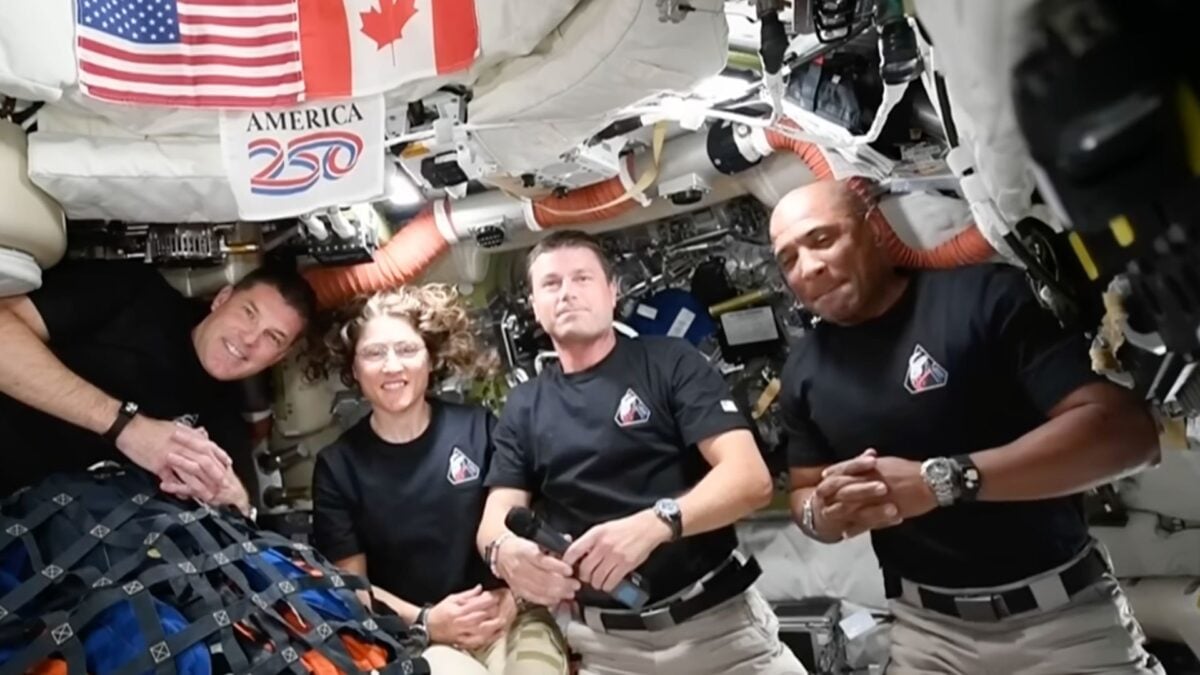
Trump's Congratulatory Call With the Artemis 2 Astronauts Was Painfully Awkward Added: Apr 7, 2026
Trump's Congratulatory Call With the Artemis 2 Astronauts Was Painfully Awkward
Site: Gizmodo
Four astronauts flew around the Moon and all they got was this lousy phone call with the president.
-
 Lunapolitics (@lunapolitics.bsky.social) — Bluesky
Added: Apr 7, 2026
Lunapolitics (@lunapolitics.bsky.social) — Bluesky
Added: Apr 7, 2026Lunapolitics (@lunapolitics.bsky.social)
Site: Bluesky Social
Lunapolitics: where political and economic interests intersect with the topography and physical properties of the Moon, from its subsurface through to cislunar space. https://substack.com/@lunapolitics
-
Site: X (formerly Twitter)
-
Site: X (formerly Twitter)

