Bookmarks 2026-02-27T16:14:06.899Z
by Owen Kibel
36 min read
Bookmarks for 2026-02-27T16:14:06.899Z
-
Site: X (formerly Twitter)

-
Site: X (formerly Twitter)
-
Site: X (formerly Twitter)
-
IT WAS DERAILED | Timcast IRL #1458 w/ Rick Jordan - YouTube Added: Feb 27, 2026
IT WAS DERAILED | Timcast IRL #1458 w/ Rick Jordan
Site: YouTube
Try my favorite sleep aid, Beam Dream: https://shopbeam.com/TIMPOOL and use code TIMPOOL for up to 35% off—limited time.SUPPORT THE SHOW BUY CAST BREW COFFEE...

-
Humans and Neanderthals interbred — but it was mostly male Neanderthals and female humans who coupled up, study finds | Live Science Added: Feb 27, 2026
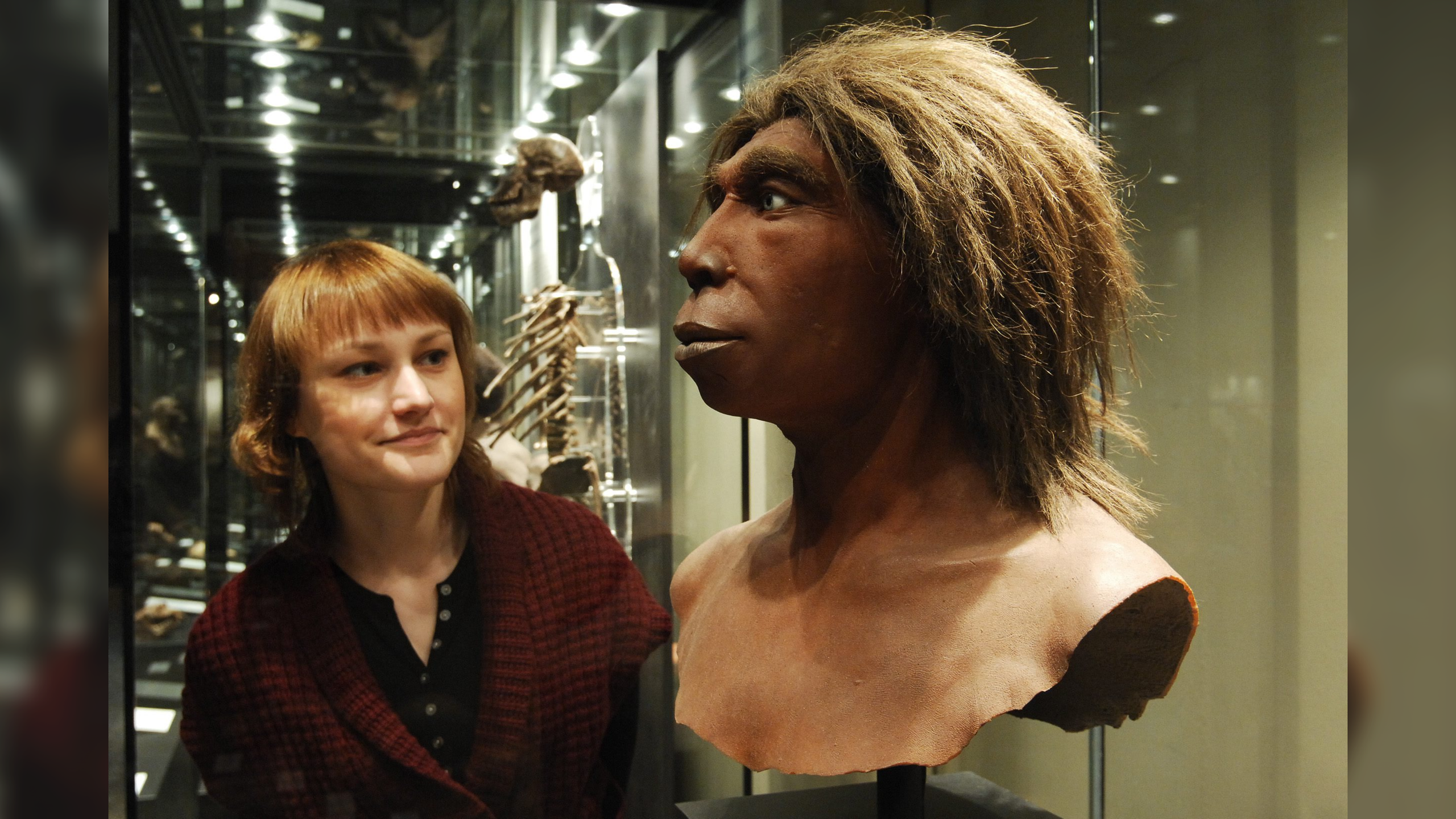
Humans and Neanderthals interbred — but it was mostly male Neanderthals and female humans who coupled up, study finds
Site: Live Science
A preference for pairings between male Neanderthals and female Homo sapiens may answer the question of why there are "Neanderthal deserts" in human chromosomes.
-
Neanderthal-human interbreeding study: Ancient coupling may have happened more between human females and Neanderthal males - ABC7 Chicago Added: Feb 27, 2026
Ancient coupling may have happened more between human females and Neanderthal males
Site: ABC7 Chicago
A new genetic analysis offers some ancient gossip: The pairings were more often female humans with male Neanderthals.

-
Site: X (formerly Twitter)
-
Christina🇺🇸 on X: "@GadSaad @greggutfeld @Ilhan Iblis works for me. https://t.co/qPlJpwoAfq" / X Added: Feb 27, 2026
Site: X (formerly Twitter)
-
Neanderthal males, human females? How ancient attraction shaped the human genome Added: Feb 27, 2026
Neanderthal males, human females? How ancient attraction shaped the human genome
The human genome is a rich, complex record of migration, encounters, and inheritance written over thousands of millennia. Genomic research by members of Sarah Tishkoff's lab at the University of Pennsylvania are revisiting a particularly intimate chapter, suggesting that ancient mating patterns between modern humans and Neanderthals shaped why Neanderthal DNA is largely missing from the human X chromosome.

-
Six Years Later After The Lockdowns
Site: YouTube
In this short video I do a detailed analysis of the long-term financial effects of the lockdowns from March 2020. With visitech.ai, complex analysis is very...

-
What Is Socialism?
Site: YouTube
What IS socialism and what does socialism actually mean, in practice?In this video, we break down:What “public ownership of the means of production” means;Ho...
-
Site: X (formerly Twitter)
-
Site: X (formerly Twitter)
-
Site: X (formerly Twitter)
-
Site: X (formerly Twitter)
-
Anthropic says Pentagon's "final offer" is unacceptable Added: Feb 27, 2026
Anthropic says Pentagon's "final offer" is unacceptable
Site: Axios
The company is facing a Friday night deadline to comply or face potentially huge consequences.

-
Trump targets welfare fraud, VP Vance to lead campaign Added: Feb 27, 2026
**Trump’s war on fraud is political genius **
Site: The Hill
President Trump is serious about fraud. As he should be — taxpayers are being ripped off.
President Trump is serious about fraud. As he should be — nothing more quickly undermines faith in our government, or enthusiasm for our safety net, than evidence that taxpayers are being ripped off. And, boy, are they being ripped off. During the State of the Union address on Tuesday, the president said, “I am officially announcing the war on fraud, to be led by our great Vice President [JD] Vance. He’ll get it done.” He also said, “And [if] we’re able to find enough of that fraud, we will actually have a balanced budget overnight. It’ll go very quickly. That’s the kind of money you’re talking about.” That is optimistic, for sure. Our deficit this year is estimated at nearly $2 trillion — two thousand billions of dollars. Welfare fraud is almost certainly less than half that amount. But Trump is still right that the amount of government payments being hijacked by crooks is stunning. In 2024, when Joe Biden was still president, the Government Accountability Office reported that “the federal government could lose between $233 billion and $521 billion annually to fraud.” In other words, up to half a trillion dollars was being stolen each year! That estimate was based on a survey of spending done in the years between 2018 and 2022, in the wake of the massive COVID relief programs authorized by Congress. Note that this horrendous sum does not include “improper payments”; that’s a whole different (and also enormous) category, according to the Government Accountability Office. GAO reported that “No area of the federal government is immune to fraud” and suggested that “a government-wide approach is required to address it.” That suggestion went unheeded. Theft undermining our welfare programs is not new — it has just gotten worse. During the COVID years, Congress approved more than $5 trillion in payments to keep the economy afloat, and pushed money out the door as rapidly as possible to maintain employment and spending. The flood of barely supervised outlays in programs like the Small Business Administration's Paycheck Protection Program, Economic Injury Disaster Loan Program and the Unemployment Insurance programs was practically an invitation to steal. Confidence in the government has been trending downward for decades, under both Republicans and Democrats. It is currently near an all-time low. While there are doubtless many reasons that voters no longer trust their leaders, surely revelations of massive welfare fraud do not help. Politically, attacking the pilferage of dollars meant to help sick children or provide housing for single low-income moms is a no-brainer. As we saw in Minneapolis, voters are incensed to find that their well-meant money is being stolen, and they blame the government officials who oversee the programs and allow the thievery to go on. After the discovery that billions of dollars had been stolen from state coffers, Tim Walz decided he could not run for a third term as Minnesota’s governor. He was right; the blowback from voters was swift and merciless. Since blue states like California, Illinois and New York tend to embrace expansive welfare programs, hoping to win votes with taxpayer largesse, Democrats will be under scrutiny for allowing money to go missing. Republicans will highlight the mismanagement, adding to critiques that Democrats are poor administrators and especially feckless about fiscal management. But unlike the federal deficit, the theft of welfare hits close to home. Alhough Trump officially tapped his VP Tuesday night to direct the anti-fraud effort, it isn’t his first move on that front. Earlier this month, he set up a new division in the Department of Justice to tackle the theft of government payments. And at the end of last year, he demanded states supply extensive information about recipients and payments. Vance will spearhead the anti-fraud campaign, and he has already thrown down the gauntlet. The vice president, along with Medicare and Medicaid Services chief Mehmet Oz, just announced a pause on federal Medicaid reimbursements to Minnesota, where billions meant for day care centers and autism treatments were stolen. Team Trump is withholding some $259 million in Medicaid reimbursements while an investigation, based on a recent audit, goes forward. Vance is demanding that Minnesota address its fraud problem before receiving more funds from Uncle Sam. That seems reasonable. Why should taxpayers across the country hand over their hard-earned cash to crooks? This isn’t a hypothetical. As NBC reports, “The Justice Department has charged 98 people there, 85 of whom are Somali, with $1 billion in fraud.” As the scandal has widened, some put the total lost as high as $9 billion. (Trump misspoke when he mentioned a figure of $19 billion in his address on Tuesday.) Walz responded to the holdup of Medicaid payments by trying to turn the spotlight back on ICE activities in his state, saying, "This has nothing to do with fraud. The agents Trump allegedly sent to investigate fraud are shooting protesters and arresting children.” Nice try, Tim. Unrest over the tragic killing of two civilians in your state by ICE may have conveniently diverted the spotlight from your welfare fraud scandal, but it is not going away. Vance will no doubt pursue fraud allegations in California and New York, among other states, where Republicans will hope to hold onto a few essential House seats in the wake of damaging redistricting by Democrats. Govs. Gavin Newsom (D) and Kathy Hochul (D) have already pushed back, both touting prior efforts to clean up stealing in their states. Given the enormity of both states’ welfare operations, and their reportedly lax standards regulating who can access those payments, my guess is Newsom and Hochul will be on the hot seat in coming months. That will be good for Republicans — and for taxpayers. Liz Peek is a former partner of major bracket Wall Street firm Wertheim and Company.

-
 NASA shakes up its Artemis program to speed up lunar return - Ars Technica
Added: Feb 27, 2026
NASA shakes up its Artemis program to speed up lunar return - Ars Technica
Added: Feb 27, 2026NASA shakes up its Artemis program to speed up lunar return
Site: Ars Technica
Launching SLS every three and a half years or so is not a recipe for success."

-
Finally, They've Admitted It - Konstantin Kisin
Site: YouTube
Finally, they've admitted it - Konstantin Kisin | We use Ground News to escape the echo chamber and stay fully informed. Go to https://ground.news/triggernom...

-
Anthropic CEO Amodei on Pentagon’s Proposal to Loosen AI Guardrails: ‘We Cannot in Good Conscience Accede to Their Request’ - WSJ Added: Feb 27, 2026
-
Philosophy expert shares the 300-year-old rule to tell if someone is a good or bad person
Site: Upworthy
Popular TikTok philosopher and Substack writer Juan de Medeiros recently shared a great way to determine whether someone is good or bad.

-
Site: X (formerly Twitter)
-
Stop Ruining American Hockey’s Olympic Victory with Politics - WSJ Added: Feb 27, 2026
-
Most toxic fruits #toxic #fruit
Site: YouTube
What fruit is most toxic to you?

-
President Trump Delivers Remarks on Energy, Feb. 27, 2026
Site: YouTube
Corpus Christi, TX

-
CBP Agent SHOT AT, Feds INVESTIGATE Possible Link To Trans CULT ft. Andy Ngo
Site: YouTube
Download Rumble Wallet now and step away from the big banks — for good! https://rumblewallet.onelink.me/bJsX/timcastculturewarsBUY CAST BREW COFFEE TO SUPPOR...

-
 Anthropic CEO Warns of "Tsunami" on Horizon
Added: Feb 27, 2026
Anthropic CEO Warns of "Tsunami" on Horizon
Added: Feb 27, 2026Anthropic CEO Warns of "Tsunami" on Horizon
Site: Futurism
Anthropic CEO Dario Amodei spoke of an AI "tsunami" on the horizon which he claims everyone is ignoring the warning signs of.
-
 Cultural tightness reduces a person's ability to be funny
Added: Feb 27, 2026
Cultural tightness reduces a person's ability to be funny
Added: Feb 27, 2026Cultural tightness reduces a person's ability to be funny
Site: PsyPost - Psychology News
A new cross-cultural study reveals that people living in societies with strict social norms are less skilled at creating humor. This suggests that comedic ability is heavily shaped by our cultural environment and tolerance for rule-breaking.
A recent study published in <em><a href="https://doi.org/10.1037/amp0001607" target="_blank">American Psychologist</a></em> provides evidence that people from cultures with strict social norms tend to be less skilled at coming up with funny material compared to those from more relaxed cultures. These findings suggest that the ability to generate humor is not just an inborn personality trait, but a skill heavily shaped by the social rules of the environment in which a person lives. Understanding this dynamic can help people communicate more effectively and avoid misunderstandings in diverse, multicultural settings.
Humor is a universal human behavior that brings people together, but what is considered funny in one part of the world might lead to awkward silence or even legal trouble in another. For example, comedians in certain nations have faced severe backlash for making jokes about sensitive topics like the military. Scientists wanted to understand why these cultural differences in humor exist and what specific factors drive them.
The researchers focused on a concept called cultural tightness. Cultural tightness refers to how strictly a society enforces its social norms and rules, along with how harshly it punishes those who break them. They suspected that because making a joke usually involves breaking a rule or violating an expectation, strict societies might discourage people from developing their comedic skills.
"Our interest in this topic stems from a long-standing curiosity about humor in Chinese culture. Previous research has shown that, compared to people in Western countries like the United States or Canada, Chinese individuals tend to produce less humor," explained study authors Yi Cao, a postdoctoral researcher at Peking University and Cornell University, and <a href="https://www.queensu.ca/psychology/people/li-jun-ji" target="_blank">Li-Jun Ji</a>, a professor at Queen's University.
"This raised a simple yet important question: why? Earlier studies have offered broad cultural explanations?for example, the influence of Confucian values. While this makes sense, it left us wondering: what exactly within Confucianism contributes to this lower humor production? And more importantly, how could we test these ideas empirically?"
"Since humor is deeply shaped by social norms and expectations, we decided to investigate this through the framework of cultural tightness and looseness, which provides a clearer, more concrete way to understand cross-cultural differences in humor expression."
To test this idea, they separated the concept of a sense of humor into two distinct parts. The first part is humor <em>appreciation</em>, which means finding things funny or laughing at a joke. The second part is humor <em>production</em>, which involves actively creating original jokes, writing funny captions, or using comedy in social interactions.
The scientists hypothesized that cultural tightness would primarily restrict humor production because creating a joke carries a higher social risk than simply laughing at one. To investigate this, the researchers conducted six separate studies. In the first study, they recruited 279 participants, consisting of 136 people from China, representing a tight culture, and 143 people from the United States, representing a loose culture.
The participants filled out a questionnaire that asked them to rate their own abilities in both appreciating and producing humor. The scientists found that Chinese participants rated themselves lower in humor production compared to the American participants. The two groups did not show a significant difference in their ability to appreciate humor.
The second study aimed to measure actual comedic ability rather than relying on self-reports. The researchers gathered 278 university students, including 150 from China and 128 from the United States. They asked the participants to look at two photographs and write the funniest captions they could think of.
Native speakers from each respective country then rated these captions on a scale from one to seven based on how funny they were. The results showed that the Chinese students generated captions that were rated as less funny than those written by the American students.
For the third study, the researchers expanded their scope to see if this pattern held true across a wider variety of nations. They recruited a total of 441 participants from three tight cultures, specifically China, India, and Norway, as well as two loose cultures, the United States and Australia. The participants completed the same photo caption task from the second study and also rated the funniness of eight pre-selected jokes.
The researchers found that participants from the tight cultures produced less funny captions than those from the loose cultures. While people from tight cultures also appreciated the pre-selected jokes slightly less, this difference was very weak compared to the gap in humor production.
"We were surprised by some of the nuances in our findings," Cao and Ji told PsyPost. "What stood out to us was that cultural tightness strongly influenced humor production, but had little to no effect on humor appreciation across different countries. In other words, people living in tighter cultures don’t lack a sense of humor: they simply tend to be more reserved in expressing it because of social expectations and norms."
In the fourth study, the scientists wanted to make sure that the differences they observed were actually due to cultural tightness and not another common cultural concept called collectivism. Collectivism refers to cultures that prioritize group harmony over individual needs. They recruited 199 participants, with 100 from Germany, a tight but individual-focused culture, and 99 from Brazil, a loose but group-focused culture.
After having the participants complete the photo caption task, the researchers found that the German participants produced less funny humor than the Brazilian participants. A combined statistical analysis of the previous studies confirmed that cultural tightness negatively predicts humor production. This analysis also showed that collectivism had no relationship with a person's ability to produce humor.
Finally, the researchers conducted two experiments to see if they could cause a temporary change in humor production by altering people's immediate mindset. They recruited 233 Chinese students for one experiment and 246 American students for the other. The participants read a story about a fictional future society that either had very strict social rules or very relaxed social rules, which served to prime their thinking.
Afterward, the participants were asked to complete three different joke scenarios in a funny way. The scientists found that participants who read about the strict society produced less funny joke completions than those who read about the relaxed society, regardless of whether they were from China or the United States.
"Cultural norms play a significant role in shaping how people express humor," the researchers explained. "If someone seems less playful or doesn’t respond humorously, it doesn’t necessarily mean they are cold or disengaged. Instead, it might simply reflect their cultural expectations about when and where humor is appropriate. This insight is especially important in cross-cultural communication, where humor differences are often misunderstood or misinterpreted."
While these findings provide consistent evidence, the researchers noted a few potential limitations to their work. One issue is that the ages and genders of the participants were not perfectly balanced across the different cultural groups. Although the scientists adjusted their statistical models to account for these differences, seeking out more balanced groups in future studies would help verify the results.
Another limitation relates to the method used to prime participants in the final experiments. Reading a story about a fictional society might simply bring the concept of strictness to mind rather than truly changing a person's immediate behavior. The scientists suggest that future research could place participants in naturally strict environments, like a formal business meeting, to see how real-world settings impact joke creation.
They also recommend looking at other forms of comedy, such as retelling existing jokes rather than inventing new ones. It is possible that retelling a familiar joke carries less social risk and might not be as affected by strict cultural norms.
"Tightness and looseness do not only vary across cultures; they can vary across everyday social or organizational contexts," Cao and Ji said. "In looser environments, where norms are more flexible, people may feel freer to express humor, even within generally tighter cultures. We are currently investigating this dynamic in ongoing research."
"At the same time, we continue to explore broader questions about culture and humor. In two recent papers published in <em>Journal of Positive Psychology</em> and <em>Personality and Social Psychology Bulletin</em>, we found that Chinese humor often takes a 'seriocomic' form, where humor and seriousness coexist rather than oppose each other. Chinese individuals tend to prefer leaders who can flexibly switch between serious and humorous styles and frequently use humor to convey serious messages. This distinct cultural understanding of humor may help explain why Chinese-produced humor is sometimes perceived as less funny by Western audiences."
"Moving forward, we aim to deepen our understanding of how these cultural conceptions of humor shape psychological processes and behavior, and how they contribute to broader differences between Eastern and Western cultures," Cao and Ji added.
The study, "<a href="https://doi.org/10.1037/amp0001607" target="_blank">Cultural Tightness Reduces Humor Production: Evidence From Multiple Countries</a>," was authored by Yi Cao, Yubo Hou, Yijiang Wang, and Li-Jun Ji.

-
 This Cartoonist Turns Everyday Cat Nonsense Into Hilarious Comics (29 New Comics) - AOL
Added: Feb 27, 2026
This Cartoonist Turns Everyday Cat Nonsense Into Hilarious Comics (29 New Comics) - AOL
Added: Feb 27, 2026This Cartoonist Turns Everyday Cat Nonsense Into Hilarious Comics (29 New Comics)
Living with a cat means surrendering your schedule, your personal space, and at least one breakable object a week. Cartoonist Nick Filippou, whose work we’ve featured many times before here on Bored Panda, captures that exact brand of lovable chaos in his comic series Iizcat, turning everyday feline nonsense into sharp, perfectly timed jokes that feel way too familiar.Inspired by his real-life rescue cat, Minnie, Filippou’s comics zoom in on those small but unforgettable moments every cat owner
-
Trump moves to blacklist Anthropic AI from all government work
Site: Axios
The penalty is usually reserved for companies from adversarial countries, like China's Huawei.

-
Superager brains excel at something scientists once thought was impossible
Added: Feb 27, 2026
Superager brains excel at something scientists once thought was impossible
Site: PsyPost - Psychology News
Older adults with exceptional memories continue to grow new brain cells. A recent study published in the journal Nature shows that this biological process nearly stops in people with Alzheimer's disease.
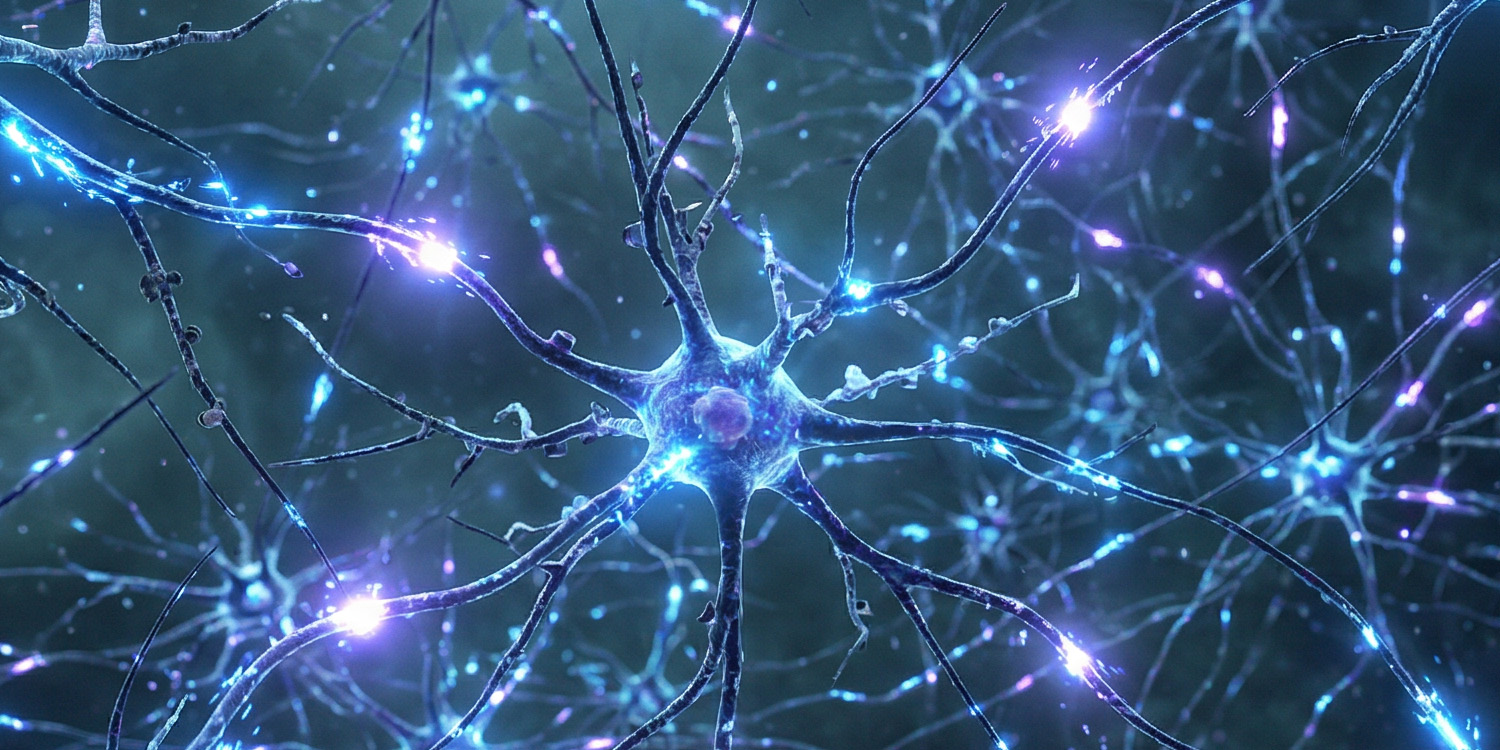
A new study published in the journal <em><a href="https://doi.org/10.1038/s41586-026-10169-4" target="_blank">Nature</a></em> reveals that the adult human brain continues to produce new neurons throughout life, a process that is highly active in older individuals with exceptional memories but severely limited in those with Alzheimer's disease. The research suggests that preserving this neuron-generating capacity could be a key to protecting cognitive function in old age.
The human brain relies on billions of cells called neurons to process information, store memories, and coordinate movements. In certain animals like mice, researchers have repeatedly observed the birth of new neurons in the adult brain. This regenerative process is called neurogenesis.
For years, researchers debated whether adult humans also experience neurogenesis. Past studies produced mixed results, leading to questions about whether the human brain simply stops generating new neurons after childhood. The exact biological mechanisms controlling this cellular birth in humans remained unclear.
Researchers at the University of Illinois Chicago, Northwestern University, and the University of Washington set out to answer these lingering questions. The research team was led by Ahmed Disouky, a scientist investigating how the brain maintains its health over time. Disouky and his colleagues wanted to understand the biological differences between brains that age well and brains that succumb to dementia.
A major focus of the research involved a unique group of older adults known as superagers. These individuals are eighty years of age or older, but they possess the memory capacity of people thirty years younger. The team suspected that studying these remarkable individuals could reveal biological secrets to healthy aging.
“What’s exciting for the public is that this study shows the aging brain is not fixed or doomed to decline,” said Ahmed Disouky, the first author of the study. “Understanding how some people naturally maintain neurogenesis opens the door to strategies that could help more adults preserve memory and cognitive health as they age.”
To understand the biological roots of memory, the researchers focused on a specific region of the brain called the hippocampus. The hippocampus acts as a central hub for learning and memory formation. Diseases that erode memory, such as Alzheimer's disease, typically attack this region early on.
The researchers also wanted to explore the concept of epigenetics, which involves changes in how DNA is packaged and read by the cell. Inside the nucleus of a cell, DNA is wrapped tightly in a structure called chromatin. When chromatin is open and accessible, specific genes can be turned on, allowing the cell to perform new functions or mature into a different type of cell.
“Modern medicine has revolutionized health care such that life expectancy is greater now than ever before,” said co-lead author Jalees Rehman, the Benjamin J. Goldberg Professor and head of the department of biochemistry and molecular genetics at UIC. “We need to ensure that this overall increased life expectancy goes along with a high quality of life, including cognitive health.”
To achieve this goal, the team needed a comprehensive view of how chromatin accessibility and gene expression affect the hippocampus. They gathered post-mortem brain tissue from five distinct groups of human donors. These groups included healthy young adults, healthy older adults, superagers, individuals with early signs of cognitive decline, and people diagnosed with Alzheimer's disease.
The researchers analyzed the donated brain tissue using advanced single-cell sequencing techniques. This technology allows scientists to examine the genetic material inside individual cells one at a time. By looking at hundreds of thousands of individual cells, the team could identify rare cell types that might otherwise be lost in a larger sample.
To map out the biology of these tissues, the team used two distinct measurements for each individual cell. First, they looked at which specific genes were actively producing instructions, a process known as gene expression. Second, they measured the physical shape of the DNA to see which regions were unwound and available for use.
This dual approach allowed the scientists to see both the current activity of the cell and its future potential. If a gene is switched off but the DNA remains open, the cell retains the capacity to reactivate that gene later. If the DNA is tightly coiled and closed, that biological capacity is lost entirely.
The team specifically searched for cells at three different stages of development. The first stage involved neural stem cells, which act as blank slates that can develop into mature brain cells. The second stage involved neuroblasts, which are adolescent cells that have begun the transition into neurons.
The third stage consisted of immature neurons that are just on the verge of becoming fully functional. Finding cells in these three stages would prove that the brain is actively building new circuitry.
“Think of the stages of adult neurogenesis like a baby, a toddler and a teenager,” said Orly Lazarov, a professor in UIC’s College of Medicine and director of the Alzheimer’s Disease and Related Dementia Training Program. “All are signs that these hippocampi are growing new neurons.”
In previous years, some scientists struggled to tell the difference between developing neurons and other types of brain cells. Young neurons can look remarkably similar to support cells that produce brain insulation. By mapping the exact genetic profile of hundreds of thousands of cells, the research team finally separated these cellular identities.
The results confirmed that the adult human brain does indeed produce new neurons. The researchers detected neural stem cells, neuroblasts, and immature neurons in all five groups of donors. However, the abundance and health of these developing cells varied wildly depending on the cognitive status of the individual.
In the brains of superagers, the neurogenic process was highly active. These individuals produced a massive number of immature neurons and neuroblasts compared to typical older adults. The researchers described this unique cellular profile as a signature of resilience against cognitive decline.
“Superagers had twice the neurogenesis of the other healthy older adults,” Lazarov said. “Something in their brains enables them to maintain a superior memory. I believe hippocampal neurogenesis is the secret ingredient, and the data support that.”
The situation looked vastly different in the brains of individuals suffering from cognitive decline. People with early stage memory issues showed a sharp drop in the production of new neurons. Those diagnosed with advanced Alzheimer's disease generated almost no new neurons at all.
By looking at the molecular data, the researchers pinpointed exactly where the neurogenic process was breaking down. They found that the problem was largely rooted in the packaging of the DNA. In the Alzheimer's disease group, the chromatin had become less accessible, effectively shutting down the genes required for a stem cell to mature into a working neuron.
These changes in chromatin accessibility happened very early in the disease process. The researchers noted that individuals with mild cognitive impairment showed restricted chromatin access even before their gene expression levels dropped. This suggests that the way DNA is folded might serve as an early warning sign of impending memory loss.
Inside the cells, proteins known as transcription factors act as master switches to control this entire system. They bind to the accessible chromatin and turn whole networks of genes on or off. The research revealed that superagers rely on a completely different set of transcription factors compared to people experiencing typical brain aging.
Because the superagers maintained accessible chromatin in specific areas, their brain cells could continue to form new connections. This ability to adapt and build new wiring is essential for forming new memories. The researchers observed that this biological resilience allowed superager brains to function like those of much younger individuals.
The researchers noticed that specific biological pathways remained highly active in superagers. For example, the genetic instructions for building cellular power plants, called mitochondria, continued to operate normally. This allowed the cells to generate the energy required for establishing new neural pathways.
The scientists also mapped out the chemical conversations happening between different types of brain cells. They looked closely at star-shaped support cells called astrocytes, which provide nutrients to neurons and help maintain a stable environment in the brain. In healthy aging, astrocytes and neurons engaged in a continuous biochemical dialogue to maintain the strength of their connections.
In brains affected by dementia, this chemical dialogue grew quiet, leaving the surviving neurons vulnerable to damage. The failure of these cellular support systems likely contributed to the decline of neurogenesis in the diseased brains.
“This is a big step forward in understanding how the human brain processes cognition, forms memories and ages. Determining why some brains age more healthily than others can help researchers make therapeutics for healthy aging, cognitive resilience and the prevention of Alzheimer’s disease and related dementia,” said Lazarov.
While the results provide a detailed map of human neurogenesis, the researchers acknowledged several limitations in their approach. The study relied on a relatively small number of brain samples. Human brain tissue is notoriously variable, and small sample sizes make it difficult to draw absolute conclusions across the entire population.
The researchers also pointed out that their results were not statistically significant in every single measurement comparing superagers to healthy adults. Some comparisons lacked statistical power due to the inherent variability from one tissue sample to the next. The team noted that future studies with much larger groups of donors will be necessary to confirm the exact rates of cellular birth.
Another limitation involves the use of post-mortem tissue. Analyzing brain tissue after death only provides a single snapshot in time. It is impossible to watch the actual progression of a single stem cell maturing into a functional neuron in a living human brain.
Despite these challenges, the study lays a strong foundation for future exploration. The research team plans to investigate how lifestyle choices influence the epigenetic signatures identified in this study. They hope to learn how external pressures can alter the chromatin in the hippocampus.
Next, this team will examine environmental and lifestyle factors like diet, exercise and inflammation that may work alongside neurogenesis to impact aging. By understanding these external influences, scientists might eventually design therapies that keep chromatin open and neurogenesis active. This approach could offer a new way to delay or prevent the onset of dementia in older adults.
The study, “<a href="https://doi.org/10.1038/s41586-026-10169-4" target="_blank">Human hippocampal neurogenesis in adulthood, ageing and Alzheimer’s disease</a>,” was authored by Ahmed Disouky, Mark A. Sanborn, K. R. Sabitha, Mostafa M. Mostafa, Ivan Alejandro Ayala, David A. Bennett, Yisha Lu, Yi Zhou, C. Dirk Keene, Sandra Weintraub, Tamar Gefen, M.-Marsel Mesulam, Changiz Geula, Mark Maienschein-Cline, Jalees Rehman & Orly Lazarov.
-
 Hegseth Designates Anthropic As Supply Chain Risk
Added: Feb 27, 2026
Hegseth Designates Anthropic As Supply Chain Risk
Added: Feb 27, 2026Hegseth Designates Anthropic As Supply Chain Risk
Site: Forbes
Anthropic rejected a request from the Pentagon to allow it to have unrestricted access to its AI model, taking issue with the agency using the model for mass surveillance and fully autonomous weapons.

-
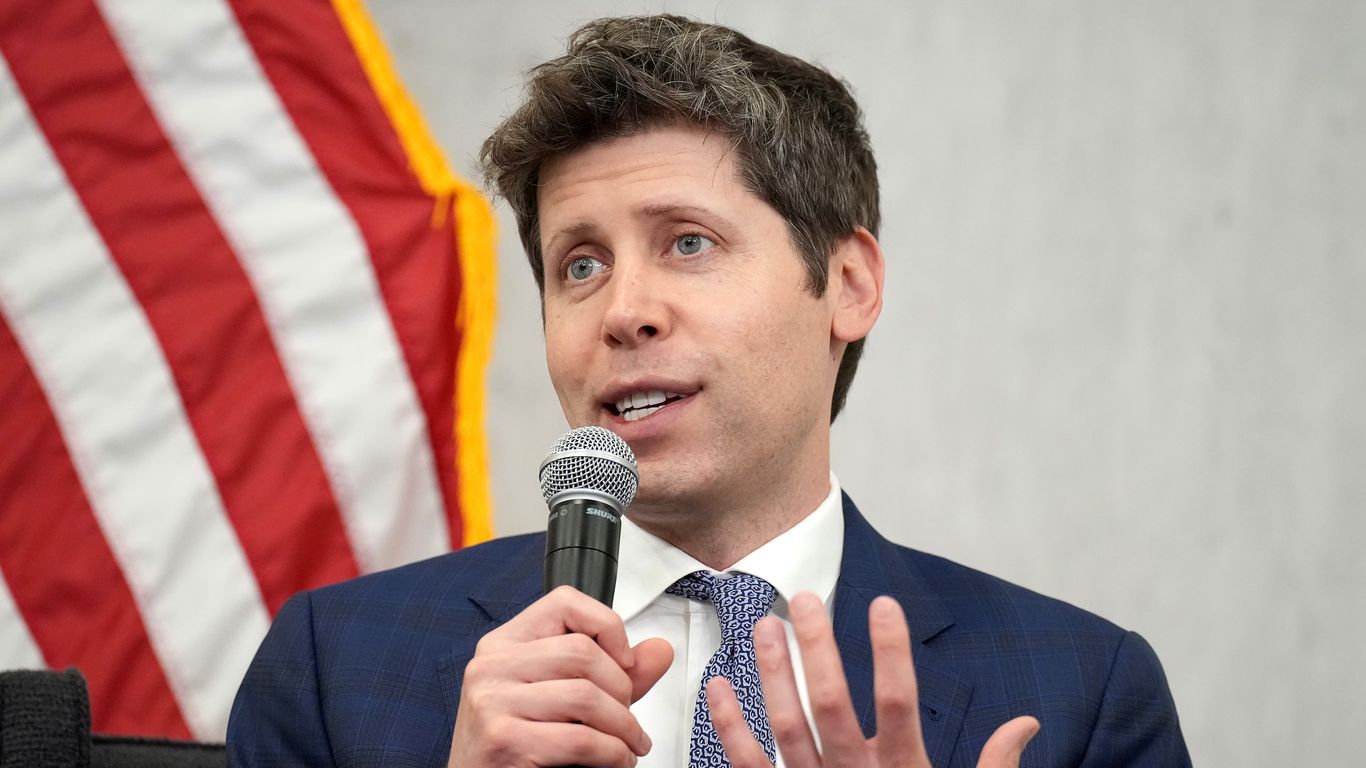
Pentagon approves OpenAI safety red lines after dumping Anthropic
Site: Axios
The Pentagon has complained Anthropic's red lines on military use were "woke."
-
The browser is your database: Local-first comes of age | InfoWorld Added: Feb 27, 2026
The browser is your database: Local-first comes of age
Site: InfoWorld
The thick client is making a comeback. Here’s how next-generation local databases like PGlite and RxDB are bringing feature-rich data storage to the browser.

-
Do the Next Right Thing: Carl Jung on How to Live and the Origin of His Famous Tenet for Navigating Uncertainty – The Marginalian Added: Feb 27, 2026
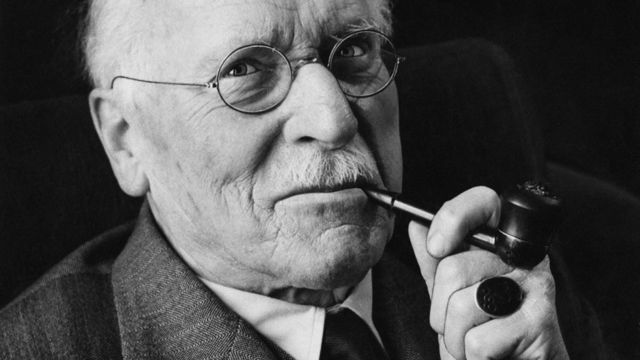
Do the Next Right Thing: Carl Jung on How to Live and the Origin of His Famous Tenet for Navigating Uncertainty
Site: The Marginalian
“There is no pit you cannot climb out of provided you make the right effort at the right place… do the next thing with diligence and devotion.”
-
Republican California governor candidate Steve Hilton says 'everybody supports' Trump's immigration policies | abc7.com Added: Feb 27, 2026
Republican California governor candidate Steve Hilton says 'everybody supports' Trump's immigration policies | abc7.com
Republican%20candidate%20for%20California%20governor%2C%20former%20Fox%20News%20host%20Steve%20Hilton%2C%20met%20up%20for%20a%20one-on-one%20interview%20with%20Eyewitnewss%20News.
-
Site: X (formerly Twitter)
-
Site: X (formerly Twitter)
-
Site: X (formerly Twitter)
-
Site: X (formerly Twitter)
-
Site: X (formerly Twitter)
-
Site: X (formerly Twitter)
-
Site: X (formerly Twitter)
-
Newsom staffer in the hot seat aftertold California reporter to 'f--- off' | Fox News Added: Feb 27, 2026
Newsom staffer in the hot seat aftertold California reporter to 'f--- off' | Fox News

-
 Final Polar Vortex Split: Late-Winter Stratospheric Wind Reversal is Coming, Impacting the Weather into March » Severe Weather Europe
Added: Feb 27, 2026
Final Polar Vortex Split: Late-Winter Stratospheric Wind Reversal is Coming, Impacting the Weather into March » Severe Weather Europe
Added: Feb 27, 2026Final Polar Vortex Split: Late-Winter Stratospheric Wind Reversal is Coming, Impacting the Weather into March
Site: Severe Weather Europe
A Stratospheric Warming event will cause a wind reversal, and signals a Polar Vortex split and collapse, with a separated Polar Vortex core moving into the United States and Canada

-
Should the U.S. Build and Deploy Fully Autonomous AI Weapons Systems? | National Review Added: Feb 27, 2026
Should the U.S. Build and Deploy Fully Autonomous AI Weapons Systems? | National Review

-
Site: X (formerly Twitter)
-
Site: X (formerly Twitter)
-
A new scientific discipline to ensure humanity's deep future
Will humanity extend into the far future? It's likely many of us think it should. The problem is that each of us, individually and collectively, act otherwise—we are destroying the environment and climate at every turn. Now a group of scientists is arguing that civilization needs to specifically and systematically study how our species can ensure its survival, even for millions of years, via a new interdisciplinary field they call "Future Dynamics." Their study is published in Habitable Planet.

-
 Despite overwhelming US military might, Iran campaign would pose complex challenges | The Times of Israel
Added: Feb 27, 2026
Despite overwhelming US military might, Iran campaign would pose complex challenges | The Times of Israel
Added: Feb 27, 2026Despite overwhelming US military might, Iran campaign would pose complex challenges | The Times of Israel


