Bookmarks 2025-12-11T19:43:16.272Z
by Owen Kibel
27 min read
Bookmarks for 2025-12-11T19:43:16.272Z
-
Khanna defends ‘genocide’ claim at 2 South Bay synagogues Added: Dec 11, 2025
-
Elon Musk on X: "Grok will be used nationwide by El Salvador for personalized education!" / X Added: Dec 11, 2025
Site: X (formerly Twitter)

-
Site: X (formerly Twitter)
-
(173) The 304th Evolutionary Lens with Bret Weinstein and Heather Heying - YouTube Added: Dec 11, 2025
Science: The Rebel Reboot | The 304th Evolutionary Lens with Bret Weinstein and Heather Heying
Site: YouTube
On this, our 304th Evolutionary Lens livestream, we discuss the mainstream media’s pivot, in which they now tentatively accept that some children have died f...

-
Human Evolution in Under 60 Seconds
Site: YouTube
drop a like! :)#evolution #platypus #animals #humanity #geology #aievolution #ai #humanevolution #ancienthumans #prehistoric #anthropology #fossils #humanori...

-
Site: X (formerly Twitter)
-
Site: X (formerly Twitter)
-
 Snow on Mars? These Incredible Images of the Red Planet Are Leaving Scientists Stunned!
Added: Dec 11, 2025
Snow on Mars? These Incredible Images of the Red Planet Are Leaving Scientists Stunned!
Added: Dec 11, 2025Snow on Mars? These Incredible Images of the Red Planet Are Leaving Scientists Stunned!
Site: The Daily Galaxy - Great Discoveries Channel
A mysterious winter wonderland on Mars has been revealed, captured in stunning high-resolution images by two of the most advanced space orbiters.

-
This is 5 trillion spores flying in the air
Site: YouTube
Enjoy the videos and music you love, upload original content, and share it all with friends, family, and the world on YouTube.

-
Basil seeds under the microscope are amazing!
Site: YouTube
Enjoy the videos and music you love, upload original content, and share it all with friends, family, and the world on YouTube.

-
Site: X (formerly Twitter)
-
Infuriated Democrats help GOP quash another Trump impeachment vote Added: Dec 11, 2025
"I hate it": Infuriated Democrats help GOP quash another Trump impeachment vote
Site: Axios
"This is not a team effort," fumed one House Democrat. "It puts us in a difficult position."

-
What the Hell Is Wrong with a Country That Makes a Widow Defend Herself for Living? | National Review Added: Dec 11, 2025
What the Hell Is Wrong with a Country That Makes a Widow Defend Herself for Living? | National Review

-
Al Green's Trump impeachment effort fails as Democrats band with GOP | Fox News Added: Dec 11, 2025
Al Green's Trump impeachment effort fails as Democrats band with GOP | Fox News

-
Earth's atmosphere may help support human life on the moon Added: Dec 11, 2025
Earth's atmosphere may help support human life on the moon
The moon's surface may be more than just a dusty, barren landscape. Over billions of years, tiny particles from Earth's atmosphere have landed in the lunar soil, creating a possible source of life-sustaining substances for future astronauts. But scientists have only recently begun to understand how these particles make the long journey from Earth to the moon and how long the process has been taking place.

-
Earth's atmosphere may help support human life on the moon
The moon's surface may be more than just a dusty, barren landscape. Over billions of years, tiny particles from Earth's atmosphere have landed in the lunar soil, creating a possible source of life-sustaining substances for future astronauts. But scientists have only recently begun to understand how these particles make the long journey from Earth to the moon and how long the process has been taking place.
-
Site: X (formerly Twitter)
-
El Salvador embraces Elon Musk's xAI after failed Bitcoin experiment - TheStreet Crypto: Bitcoin and cryptocurrency news, advice, analysis and more Added: Dec 11, 2025
-
 The Secret Life of JavaScript: Let, Const, and Why Variables Are Complicated - DEV Community
Added: Dec 11, 2025
The Secret Life of JavaScript: Let, Const, and Why Variables Are Complicated - DEV Community
Added: Dec 11, 2025The Secret Life of JavaScript: Let, Const, and Why Variables Are Complicated
Site: DEV Community
Chapter 1: Three Keys to the Kingdom Timothy stared at his browser console in complete...

-
Site: X (formerly Twitter)
-
OpenAI's Code Red, Sacks vs New York Times, New Poverty Line?
Site: YouTube
(0:00) Bestie intros(0:12) OpenAI declares "Code Red" as competitors eat away ChatGPT market share(28:14) David Sacks vs. New York Times(51:24) New poverty l...

-
Erika Kirk Tells Candace Owens STOP, Candace Says NO | Timcast IRL
Site: YouTube
Go to http://frontline21.com - download your free Field Guide and join thousands of men taking the 21-day challenge.Join CrowdHealth to get started today for...

-
Victor Davis Hanson: We've Had Enough of the Fraud and Failure to Assimilate
Site: YouTube
On this episode of “Victor Davis Hanson: In His Own Words,” Victor Davis Hanson and Sami Winc discuss the Democrats’ acceptance of fraud and today’s immigran...

-
 Librarians Dumbfounded as People Keep Asking for Materials That Don't Exist
Added: Dec 12, 2025
Librarians Dumbfounded as People Keep Asking for Materials That Don't Exist
Added: Dec 12, 2025Librarians Dumbfounded as People Keep Asking for Materials That Don't Exist
Site: Futurism
The rising tide of AI slop has brought with it fake research and other sources that librarians are asked to track down.

-
 New review challenges the idea that highly intelligent people are hyper-empathic
Added: Dec 12, 2025
New review challenges the idea that highly intelligent people are hyper-empathic
Added: Dec 12, 2025New review challenges the idea that highly intelligent people are hyper-empathic
Site: PsyPost - Psychology News
A new scientific review suggests that highly intelligent individuals rely on cognitive processing rather than emotional reflexes to connect with others, challenging the popular idea that high IQ implies hypersensitivity.
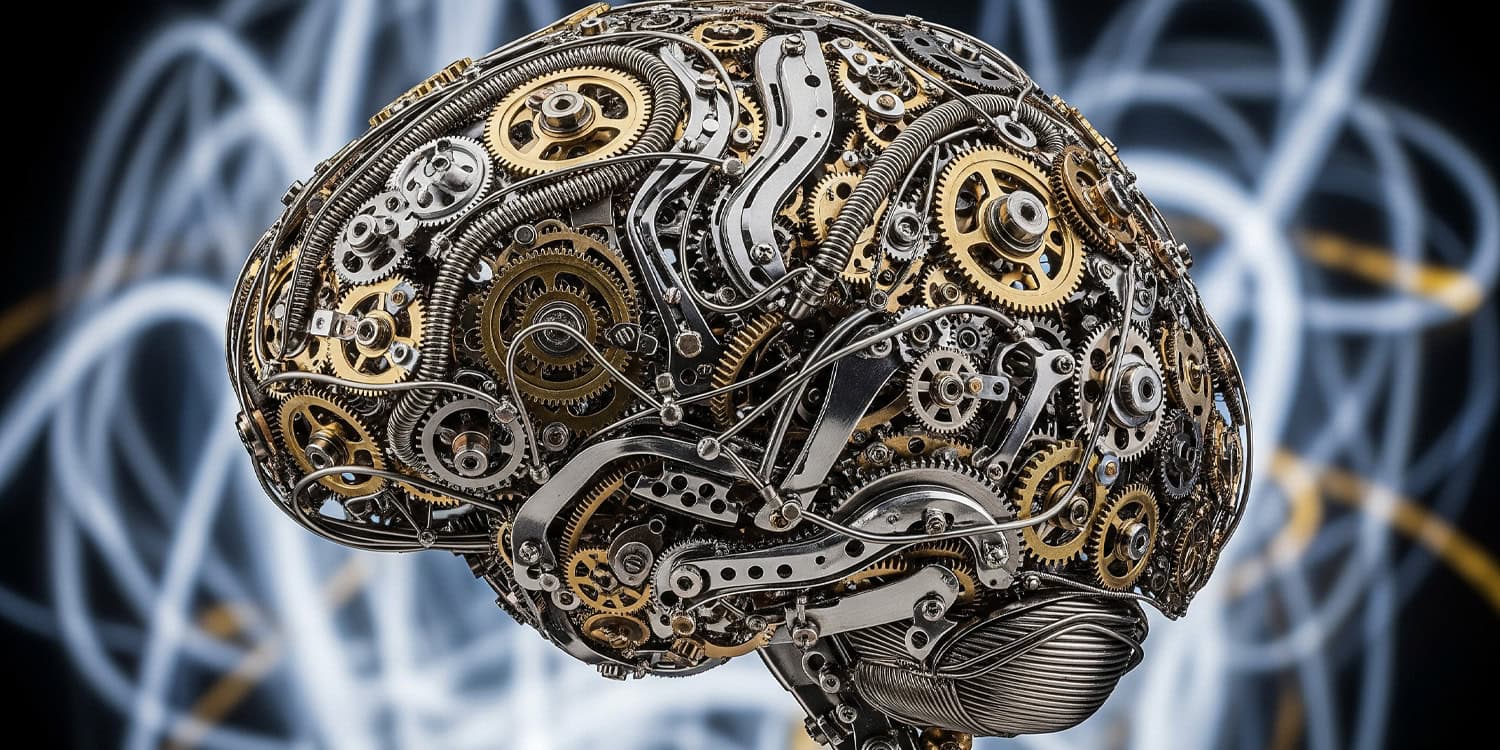
A new scientific review challenges the popular assumption that highly intelligent people possess a naturally heightened capacity for feeling the emotions of others. The analysis suggests that individuals with high intellectual potential often utilize a distinct form of empathy that relies heavily on cognitive processing rather than automatic emotional reactions. Published in the journal <em><a href="https://doi.org/10.1016/j.intell.2025.101935" target="_blank" rel="noopener">Intelligence</a></em>, the paper proposes that these individuals may intellectualize feelings to maintain composure in intense situations.
The research team set out to clarify the relationship between high intelligence and socio-emotional skills. General society often views people with high intellectual potential as hypersensitive or "hyper-empathic." This stereotype suggests that a high intelligence quotient, or IQ, comes packaged with an innate ability to deeply feel the pain and joy of those around them.
This belief has historical roots in psychological theories that linked intellectual giftedness with emotional overexcitability. The researchers wanted to determine if this reputation holds up against current neuroscientific and psychological evidence.
The review was conducted by Nathalie Lavenne-Collot, Pascale Planche, and Laurence Vaivre-Douret. They represent institutions including the Université Paris Cité and INSERM in France. The authors sought to move beyond simple generalizations. They aimed to understand how high intelligence interacts with the specific brain mechanisms that govern how humans connect with one another.
To achieve this, the investigators performed a systematic review of existing literature. They searched major scientific databases for studies linking high intellectual potential with various components of empathy. The team did not simply look for a "yes" or "no" regarding whether smart people are empathetic. Instead, they broke empathy down into its constituent parts to see how each functioned in this population. They examined emotional detection, motivation, regulation, and cognitive understanding.
A primary distinction made in the review is the difference between emotional empathy and cognitive empathy. Emotional empathy is the automatic, visceral reaction to another person's state. It is the phenomenon of flinching when someone else gets hurt or tearing up when seeing a crying face. The review found that individuals with high intellectual potential do not necessarily exhibit higher levels of this automatic emotional contagion. Their immediate physical resonance with the feelings of others appears to be average compared to the general population.
However, the findings regarding cognitive empathy were quite different. Cognitive empathy involves the intellectual ability to understand and identify what another person is thinking or feeling. The researchers found that highly intelligent individuals often excel in this area. They possess advanced capabilities in "Theory of Mind," which is the psychological term for understanding that others have beliefs and desires different from one's own. Their strong verbal and reasoning skills allow them to decode social situations with high precision.
The reviewers detailed how these individuals process emotional data. While they may not feel a rush of emotion, they are often superior at emotion recognition. They can identify subtle changes in facial expressions, vocal tones, and body language more faster and accurately than average. This ability likely stems from their general cognitive speed and heightened attention to detail. The brain networks responsible for processing visual and auditory information are highly efficient in this population.
A central finding of the article involves the regulation of emotions. The authors describe a mechanism where cognitive control overrides emotional reactivity. Individuals with high intellectual potential typically possess strong executive functions. This includes inhibitory control, which is the ability to suppress impulsive responses. The review suggests that these individuals often use this strength to dampen their own emotional reactions. When they encounter a charged situation, they may unconsciously inhibit their feelings to analyze the event objectively.
This creates a specific empathic profile characterized by a dominance of cognitive empathy over emotional empathy. The person understands the situation perfectly but remains affectively detached. The authors note that this "intellectualization" of empathy can be an adaptive strategy.
It allows the individual to function effectively in high-stress environments where getting swept up in emotion would be counterproductive. However, this imbalance can also create social friction. It may lead others to perceive them as cold or distant, even when they are fully engaged in understanding the problem.
The study also explored the motivational aspects of empathy. The researchers investigated what drives these individuals to engage in prosocial behavior. They found that for this population, empathy is often linked to a sensitivity to justice. Their motivation to help often stems from an abstract moral reasoning rather than a personal emotional connection. They may be deeply disturbed by a violation of fairness or an ethical breach. This sense of justice can be intense. Yet, it is frequently directed toward systemic issues or principles rather than specific individuals.
The authors discussed the developmental trajectory of these traits. They highlighted the concept of developmental asynchrony. This occurs when a child's cognitive abilities develop much faster than their emotional coping mechanisms. A highly intelligent child might cognitively understand complex adult emotions but lack the regulatory tools to manage them. This gap can lead to the "intellectualization" strategy observed in adults. The child learns to rely on their strong thinking brain to manage the confusing signals from their developing emotional brain.
The review also addressed the overlap between high intelligence and other neurodivergent profiles. The researchers noted that the profile of high cognitive empathy and low emotional empathy can superficially resemble traits seen in autism spectrum disorder. However, they clarify a key difference.
In autism, challenges often arise from a difficulty in reading social cues or understanding another's perspective. In contrast, highly intelligent individuals often read the cues perfectly but regulate their emotional response so tightly that they appear unresponsive.
This distinction is essential for clinicians and educators. Misinterpreting this regulatory strategy as a deficit could lead to incorrect interventions. The high-potential individual does not need help understanding the social world. They may instead need support in learning how to access and express their emotions without feeling overwhelmed. The dominance of the cognitive system is a strength, but it should not come at the cost of the ability to connect authentically with others.
The authors also touched upon the role of sensory sensitivity. While the stereotype suggests these individuals are hypersensitive to all stimuli, the evidence is mixed. They do not consistently show higher physiological reactivity to stress. Instead, they may show a "negativity bias." This is a tendency to focus on negative or threatening information. For a high-functioning brain, a negative emotion or a social threat is a problem to be solved. This intense focus can mimic anxiety but is rooted in an analytical drive to resolve discrepancies in the environment.
The review emphasizes that this profile is not static. Empathy is influenced by context and motivation. A highly intelligent person might appear detached in a boring or repetitive social situation. Yet, the same person might show profound engagement when the interaction is intellectually stimulating or aligned with their values. Their empathic response is flexible and modulated by how much they value the interaction.
The authors provide several caveats to their conclusions. They warn against treating individuals with high intellectual potential as a monolith. Great diversity exists within this group. Some may have co-occurring conditions like ADHD or anxiety that alter their empathic profile. Additionally, the definition of high potential varies across studies, with different IQ thresholds used. This inconsistency makes it difficult to draw universal conclusions.
Future research directions were also identified. The authors argue that scientists need to move beyond simple laboratory questionnaires. Self-report surveys are prone to bias, especially with subjects who are good at analyzing what the test is asking.
Future studies should use ecologically valid methods that mimic real-world social interactions. Observing how these individuals navigate complex, dynamic social environments would provide a clearer picture of their empathic functioning. Physiological measures, such as heart rate variability or brain imaging during social tasks, could also help verify the "inhibition" hypothesis.
The study, “<a href="https://doi.org/10.1016/j.intell.2025.101935" target="_blank" rel="noopener">Empathy in subjects with high intellectual potential (HIP): Rethinking stereotypes through a multidimensional and developmental review</a>,” was authored by Nathalie Lavenne-Collot, Pascale Planche, and Laurence Vaivre-Douret.
-
Site: X (formerly Twitter)
-
 Why Do Sheep And Goats Have Rectangular Pupils? | IFLScience
Added: Dec 12, 2025
Why Do Sheep And Goats Have Rectangular Pupils? | IFLScience
Added: Dec 12, 2025Why Do Sheep And Goats Have Rectangular Pupils?
Site: IFLScience
It isn't because they've been staring at the TV for too long.
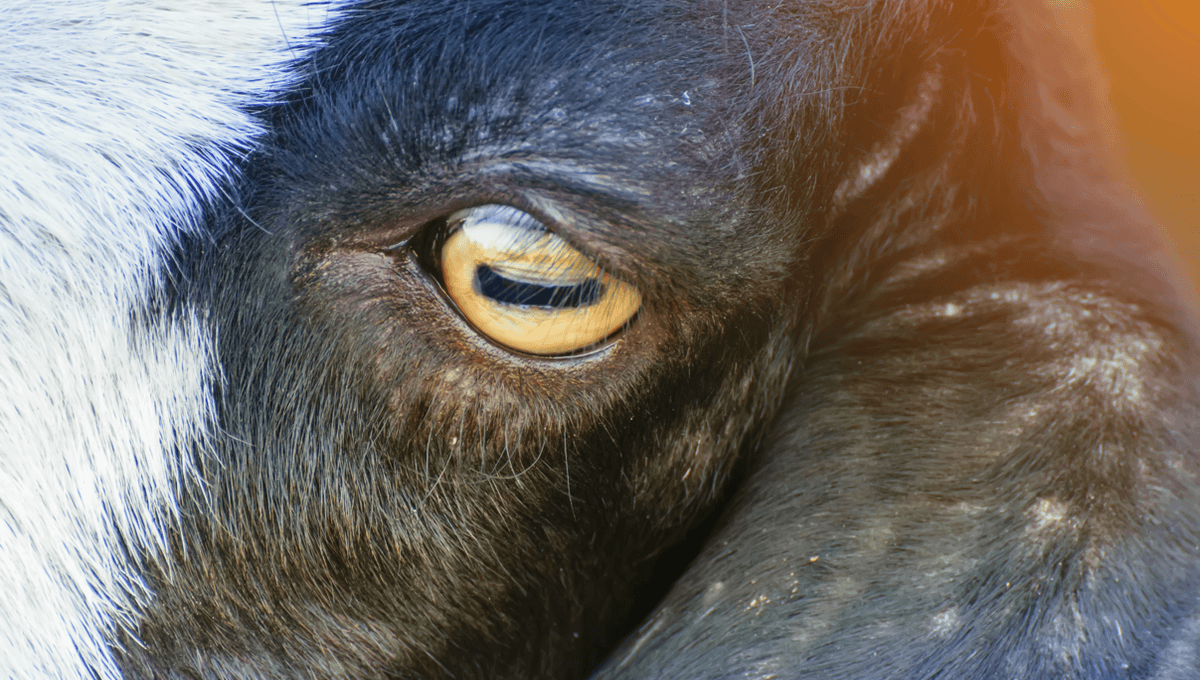
Stare deep into the eyes of a sheep and you’ll probably upset a farmer, but before the guns start waving you might notice something strange. Rather than a bouncy round pupil like our own, sheep have a rectangular black blob in the middle of their eyes. So, what gives? These ruminant mammals sit alongside goats, deer, and antelope, a group characterized by a love of chewing the cud (if you’ve ever wondered what that means, it’s basically repeatedly chewing partially digested food before finally swallowing). Another thing sheep, deer, goats, and antelope could be said to have in common is that they occasionally have to make a run for it when a predator rocks into town, and this is where their horizontal pupils come in handy. “The horizontal pupil – with only one exception we could find – is associated with prey animals,” Marty Banks, principal investigator of the Banks’ Lab at UC Berkeley, told IFLScience in 2024. “It was very clear that these animals tend to almost always have eyes on the side of their head instead of frontal eyes like we do.” “The fact that their eyes are on the side of their head allows them to see almost 360 degrees around them. Something we can’t do, obviously. The elongated pupil benefits that panoramic vision by letting in more light, so the left eye can see behind the animal on the left, and the longer pupil allows more light to get into that direction so they can see better,” added Banks. “Interestingly, the fact that the pupil is narrow vertically has the effect of sharpening horizontal contours the animal might see. And they might well need that for placing their feet on the ground as they try to run away from a predator,” he noted. There’s actually a rich diversity of pupil shape in the animal kingdom. Cats have vertical slits that are great for being an ambush predator, while taller predators like humans tend to have circular pupils. And if you think a sheep’s is a weird, just look into the groovy wiggle that is a cuttlefish pupil. Perhaps weirdest of all, however, is the mongoose. While most animals seem to adhere to this rule of vertical for predators and horizontal for prey, this bloodthirsty mammal has pupils more like a sheep. “That animal does not fit our account at all,” said Banks. They might do weird things when it comes to pupil shape, but I’ll tell you one thing: nobody does warfare like a mongoose. An earlier version of this story was published in December 2024.
-
ILHAN OMAR FACES DEPORTATION
Site: YouTube
Try my favorite sleep aid, Beam Dream. Visit https://shopbeam.com/TIMCAST and use code TIMCAST to get up to 35% off — limited time only!Become A Memberhttp:/...

-
Surgery Addict FOUND DEAD, Influencer Made CRYPTIC POST Before Being Found Dead | Tim Pool
Site: YouTube
We shouldnt allow people to go this far. it isa sad that our society has become so amoralBecome A Memberhttp://youtube.com/timcastnews/joinThe Green Room - h...

-
J.S. Bach: Fantasia & Fugue in A Minor, BWV 944: I. Fantasia - YouTube Music Added: Dec 12, 2025
J.S. Bach: Fantasia & Fugue in A Minor, BWV 944: I. Fantasia - YouTube Music
Site: YouTube Music
Provided to YouTube by Universal Music Group J.S. Bach: Fantasia & Fugue in A Minor, BWV 944: I. Fantasia · Rafał Blechacz "Fantasia - Classical Works" ℗ ...
-
Site: X (formerly Twitter)
-
Die Jahreszeiten, Hob. XXI:3: Der Frühling: 1. Einleitung und Rezitativ: Seht, wie der strenge... - YouTube Music
Site: YouTube Music
Provided to YouTube by The Orchard Enterprises Die Jahreszeiten, Hob. XXI:3: Der Frühling: 1. Einleitung und Rezitativ: Seht, wie der strenge Winter flieht!...
-
Site: X (formerly Twitter)
-
Site: X (formerly Twitter)
-
Site: X (formerly Twitter)
-
Step inside the White House this Christmas.🎄
Site: YouTube
Enjoy the videos and music you love, upload original content, and share it all with friends, family, and the world on YouTube.

-
Self-healing Roman concrete could transform how we build - Earth.com Added: Dec 12, 2025
How Romans created concrete that heals itself
Site: Earth.com
New research shows Roman concrete relied on heat-driven mixing and reactive lime, giving it a surprising self-healing ability.

-
Why AI agents are so good at coding | InfoWorld Added: Dec 12, 2025
Why AI agents are so good at coding
Site: InfoWorld
Soon LLMs will write better code than any human, for several simple reasons. Developers should rejoice.

-
Megyn Kelly on Charlie Kirk Assassination Truth, Plus Dave Smith on Epstein, Israel, and the Elites
Site: YouTube
Megyn Kelly begins the show by breaking down alleged Charlie Kirk assassin Tyler Robinson's court appearance where he was smiling, calls out those who are ig...

-
Youngest Mammoth Bones Ever Discovered Turn Out To Be Whales, Sparking New Mystery | IFLScience
Added: Dec 12, 2025
Youngest Mammoth Fossils Ever Found Turn Out To Be Whales… 400 Kilometers From The Coast
Site: IFLScience
Could mammoths have walked among us just 2,000 years ago?
A pair of woolly mammoth vertebrae in Alaska have been dated to around 2,000 years old, making them by far the most recent evidence for the existence of this extinct beast ever recorded. However, upon further analysis, researchers discovered that the fossils are not in fact of proboscidean origin, and instead belong to a couple of whales that somehow ended up hundreds of miles from the ocean. The specimens were discovered by the German explorer and naturalist Otto Geist in the early 1950s close to the inland city of Fairbanks, and were donated to the University of Alaska Museum of the North, where they were cataloged as mammoth vertebral epiphyseal plates. In 2022, radiocarbon dating revealed that the bones were between 1,900 and 2,700 years old – a startling result given that the archaeological record suggests that mammoths became extinct in the region around 13,000 years ago. “ Mammoth fossils dating to the Late Holocene from interior Alaska would have been an astounding finding: the youngest mammoth fossil ever recorded,” write the authors of a new study about the specimens. “If accurate, these results would be several thousand years younger than the latest [genetic] evidence for mammoth in eastern Beringia,” they continue. Understandably skeptical about this remarkable data point, the researchers decided to check the two specimens’ mammoth credentials. They therefore began with an isotopic analysis of the bones, which revealed that certain nitrogen isotope levels were significantly higher than one would expect to see in a land animal, reflecting a diet more typical of large marine mammals. Subsequent DNA analysis corroborated this suspicion, confirming that the bones in fact belonged to a common minke whale and a Northern Pacific Right whale. After seven decades of mistaken identity, the specimens were finally stripped of their mammoth status. Yet the mystery is not fully resolved. After all, Fairbanks sits more than 400 kilometers (250 miles) from the nearest coastline, raising questions as to how two whales ended up there thousands of years ago. According to the researchers, the ancient cetaceans couldn’t have reached the site by swimming up a river, since they were found by a small creek that could never have accommodated such large intruders. It’s also highly unlikely that the bones were dragged to the site by bears or other scavengers that may have found the whales’ carcasses washed up on the shore. One possibility, therefore, is that ancient hunter-gatherers transported the whale bones, either because of their symbolic value or as raw materials for producing tools. Archaeological evidence suggests that prehistoric coastal communities in Alaska used whale bones for these purposes, although it’s worth noting that inland evidence for this behavior is lacking. Ultimately, the researchers say we may never understand how the whale remains reached their final destination, although the most plausible explanation may be that they were never present at the site and were in fact mislabeled by the museum. Looking through the collection history, the study authors found that Geist supplied the specimens to the museum alongside a separate cache of bones that he collected from a coastal location in Norton Bay. Perhaps, then, the whale bones were actually part of this Norton Bay collection, but somehow got mixed up with Geist’s inland hoard, leading to 70 years of confusion and chaos. In all likelihood, though, we’ll never know for sure. The study has been published in the Journal of Quaternary Science.

-
Improved Gemini audio models for powerful voice interactions
Site: Google
An upgraded Gemini 2.5 Native Audio model across Google products and live speech translation in the Google Translate app.

-
Parakeets Reveal a Surprising Rule for Making Friends Added: Dec 12, 2025
Parakeets Reveal a Surprising Rule for Making Friends
Site: SciTechDaily
Parakeets form new friendships by slowly testing how close they can safely get to unfamiliar birds. This careful process helps them avoid conflict while identifying trustworthy partners.

-
Natural compound found in dark chocolate and coffee is directly linked to slower aging
Site: Earth.com
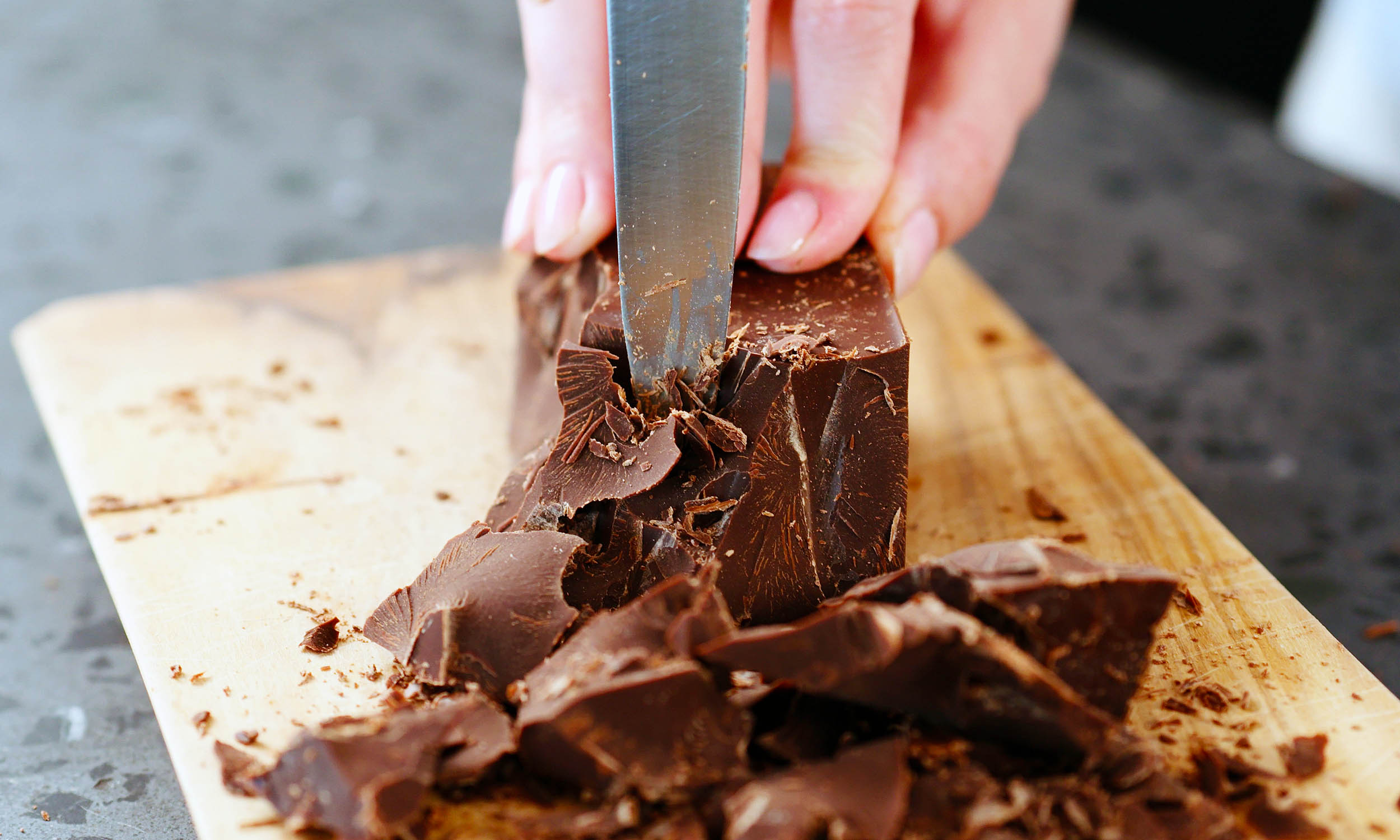
Dark chocolate contains theobromine, a compound that links to slower cell aging. People with higher levels showed younger biological ages.
-
 The Blogs: A Medicane Arrives | Barry Lynn | The Times of Israel
Added: Dec 12, 2025
The Blogs: A Medicane Arrives | Barry Lynn | The Times of Israel
Added: Dec 12, 2025The Blogs: A Medicane Arrives
From the blog of Barry Lynn at The Times of Israel

-
Site: X (formerly Twitter)
-
Site: X (formerly Twitter)
-
President Trump Participates in a Bill Signing Ceremony, Dec. 12, 2025
Site: YouTube
The White House

-
Site: X (formerly Twitter)
-
Trump leans toward reclassifying marijuana
Site: Axios
Trump's team has been reviewing survey numbers showing growing support for reclassification.

-
 Trump May Be About To Announce He's Reclassifying Marijuana, Opponents Warn As White House Denies Rumors - Marijuana Moment
Added: Dec 12, 2025
Trump May Be About To Announce He's Reclassifying Marijuana, Opponents Warn As White House Denies Rumors - Marijuana Moment
Added: Dec 12, 2025Trump May Be About To Announce He's Reclassifying Marijuana, Opponents Warn As White House Denies Rumors - Marijuana Moment
Site: Marijuana Moment
A leading prohibitionist group is sounding the alarm about a potentially imminent decision from the Trump administration to reschedule marijuana, and a major news organization is reporting that the president plans to issue an executive order on the policy change—but despite amplified rumors about the potential reform action, the White House tells Marijuana Moment that […]